iPhone 17 Review: Full Breakdown of Apple’s Newest Flagship
📱 Key Specifications & Features
Here are the standout details for the iPhone 17:
- Display: 6.3-inch Super Retina XDR OLED, 2622 × 1206 pixel resolution, ~460 ppi, up to ~3,000 nits peak outdoor brightness. Apple+3Apple+3MacRumors+3
- Refresh rate: Up to 120Hz adaptive (“ProMotion”), Always-On display capability. MacRumors+2Wikipedia+2
- Chipset: Apple A19, third-generation 3-nm node, improved Neural Engine for on-device AI. MacRumors+2Apple+2
- Storage: Starts at 256 GB (no longer 128 GB base) according to leaks. Wikipedia+1
- Camera system: Dual-lens rear camera: 48 MP “Fusion Main” + 48 MP “Fusion Ultra Wide” (ultra-wide upgraded) for the base model. Front camera upgraded to 18 MP. Apple+1
- Build & design: The phone measures approx 149.6 mm × 71.5 mm × 7.95 mm, weight ~177 g. MacRumors+1
- Connectivity & extras: Wi-Fi 7, Bluetooth 6.0, USB-C maybe, enhanced networking chip (N1) etc. MacRumors+1
- Pricing: Starting at US$799 for base model in the U.S. (for 256 GB) according to reliable reports. MacRumors+1
🎨 Design & Build
What works
- The increase in screen size to 6.3″ (from the 6.1″ of its predecessor) gives more display area without drastically increasing footprint. MacRumors+1
- Slimmer bezels help the phone feel modern/up to date.
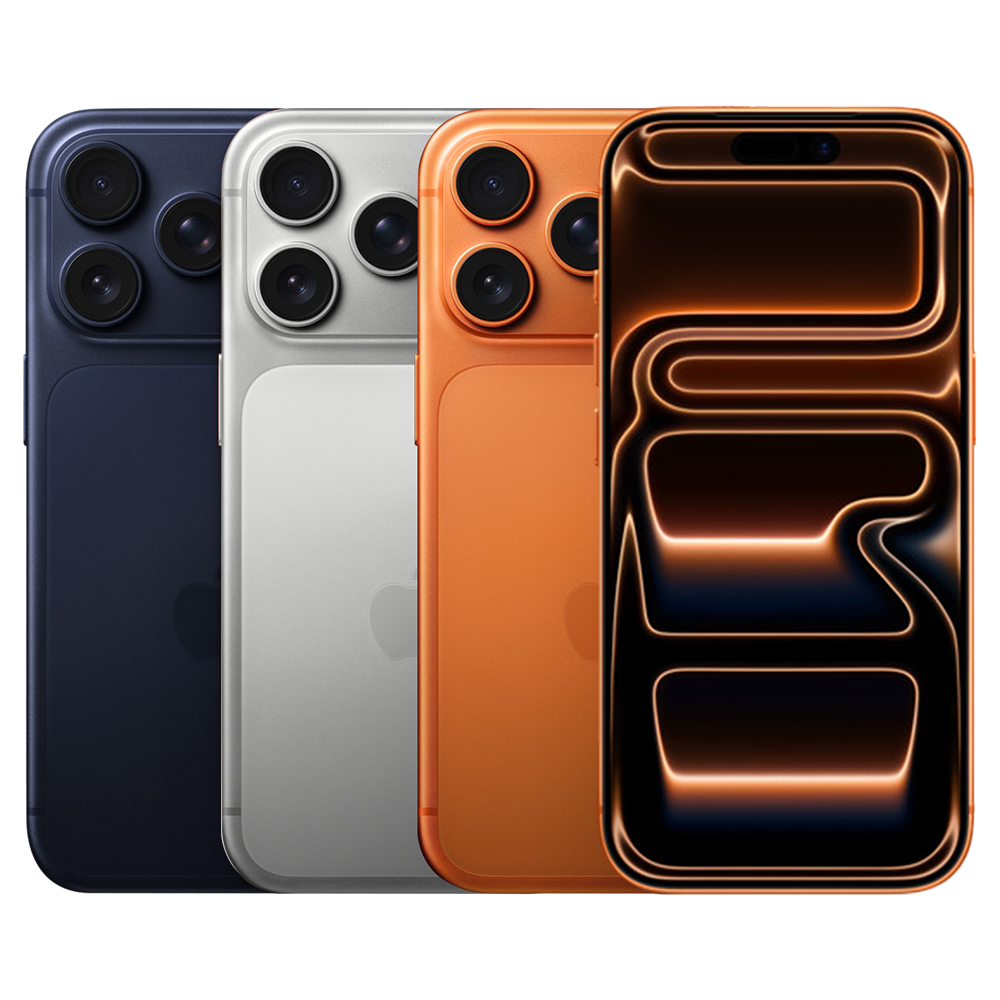
- The materials and finishing appear refined (e.g., the front glass, new coatings) and color options are expanded. WIRED
What could be improved
- Design language is said to be very similar to previous generation (iPhone 16) for the base model, so visually not a radical makeover. MacRumors
- While weight (~177 g) is respectable, for those upgrading from earlier lighter phones the difference might be noticeable.
🖥 Display & Multimedia
Highlights
- 120 Hz adaptive refresh on a base iPhone model is a major win: smoother scrolling, better animations and gaming experience compared to many earlier models.
- Outdoor brightness (~3,000 nits peak) promises good legibility even in bright sunlight. Apple+1
- Always-On display brings convenience (time, widgets etc.) without sacrificing too much battery—though real battery impact depends on use.
Considerations
- While refresh rate and brightness are excellent, ultra high refresh like 144Hz (in some Android phones) or super high brightness beyond 4,000 nits still lead in the market. So while very strong, not necessarily top-of-the-market in every metric.
- For content creators: Color accuracy, HDR performance and calibration are important — Apple tends to do well here, but third-party reviews should confirm.
📸 Camera & Imaging
Strong points
- Upgraded ultra-wide lens (48 MP) is a meaningful bump from previous generations. More resolution, better detail. Apple+1
- Main camera at 48 MP (Fusion Main) gives improved low-light and more flexibility for cropping/post-processing.
- The front camera improvement to 18 MP (with Center Stage improvements) makes selfie/vlog experience stronger. MacRumors
- Features like improved image signal processing, smarter photo processing (Apple’s “Photonic Engine” etc) presumably present given Apple’s usual pattern.
Areas to watch
- Telephoto zoom: The base model appears to have a dual-camera system (wide + ultra-wide) rather than the triple-lens + periscope zoom that Pro models have. So if optical zoom is important to you, check Pro variant. MacRumors
- Video / Pro features: For heavy video creators (e.g., ProRes, external monitor support, etc) Pro models may offer more.
🔋 Performance & Battery Life
What’s good
- A19 chip built on 3nm node means better efficiency + performance bump. Expect snappy UI, future-proofing, on-device machine learning tasks.
- Combined with larger display + better hardware, battery improvements are said to be meaningful in reviews. For example: “up to 30 hours video playback” figures leaked. Wikipedia
- Connectivity upgrades (Wi-Fi 7, Bluetooth 6.0, improved modem/antenna) mean the phone should be more future-ready.
What to keep in mind
- Real-world battery life will depend a lot on how you use features like 120Hz refresh, Always-On, brightness settings, background tasks.
- Charging specs: Apple still tends to lag some competitors in charging speed in absolute terms — check if this model steps up meaningfully (some leaks mention improved charging).
- Thermal performance under sustained load (gaming, video editing) might be better on Pro models with upgraded cooling — so if you do heavy tasks, consider that.
🔄 Software & Ecosystem
- Ships with iOS 26 (or whichever is current) and benefits from Apple’s ecosystem: seamless integration with Mac, iPad, Apple Watch, AirPods, etc.
- Because Apple controls both hardware and software, you can expect strong support (years of updates) which is a major strength.
- Gaming, AR/VR readiness: With 120Hz display + improved GPU + Neural Engine, this phone is well poised for future content & applications.
- If you already use Apple’s ecosystem (iCloud, continuity features, Apple Watch, etc), this model fits very well.
✅ Pros & ❌ Cons
Pros
- Excellent display (size + refresh + brightness) in the non-Pro line.
- Major camera upgrades (especially ultra-wide + front).
- Strong performance with A19 + on-device AI potential.
- Good value for flagship features at starting price ~US$799.
- Future-proofing with connectivity/networking upgrades.
Cons
- Design refresh is modest — if you already have a recent iPhone, it might feel incremental.
- Telephoto / zoom / pro-video features may still be reserved for Pro variants.
- Charging speed might still lag best-in-class (check specific numbers).
- If you’re heavy into photography/video or want absolute premium features, you might need to spend more.
- Upgrading from a slightly older model (say iPhone 14) might not feel dramatic enough for some users.
🎯 Who Should Buy It & Who Might Wait
Should buy if you:
- Are upgrading from an older iPhone (iPhone 12 / 13 / 14) and want meaningful improvements in display, camera, performance.
- Value Apple’s ecosystem and long update lifespan.
- Want a flagship experience without paying Pro-tier pricing.
- Use your phone for a wide range of tasks (photos, video, gaming, productivity) and want good all-rounder.
Might wait or consider alternatives if you:
- Already own iPhone 16 (you might only get incremental benefits).
- Are extremely focused on zoom photography (telephoto strength) or pro-video features (In that case the iPhone 17 Pro or Pro Max might be better).
- Prioritize ultra-fast charging or extremely large batteries (others may offer faster charging / larger capacity).
- Use a non-Apple ecosystem and might get better value options from other manufacturers.