Fusion Energy: The Clean Power Breakthrough That Could Reshape the World (2025 Edition)

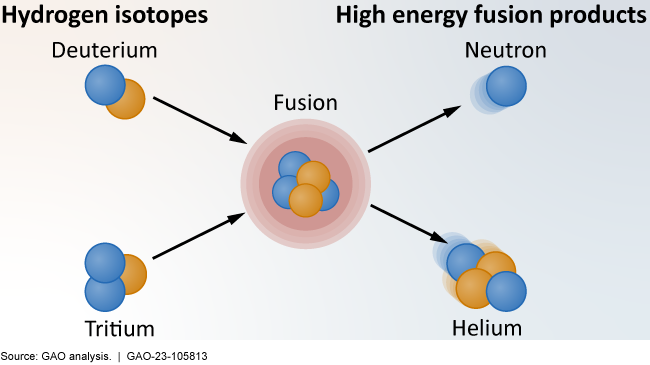
For decades, scientists have pursued a single dream: producing clean, limitless, carbon-free energy by replicating the same process that powers the sun. This dream is called nuclear fusion—a reaction where light atomic nuclei collide and fuse into heavier nuclei, releasing tremendous energy.
In 2025, the world is closer than ever to making fusion a practical reality. Several research facilities have achieved milestones once thought impossible—energy-positive reactions, improved plasma stability, AI-assisted reactor control, advanced superconducting magnets, and commercial fusion prototypes. The race toward fusion energy is accelerating, and it has the potential to transform the global energy landscape forever.
This in-depth article explores the science behind fusion, recent breakthroughs, reactor designs, benefits, challenges, and the future timeline for commercial fusion power. It is designed for both beginners and tech-focused readers seeking a comprehensive guide.
What Is Fusion Energy? A Simple Explanation
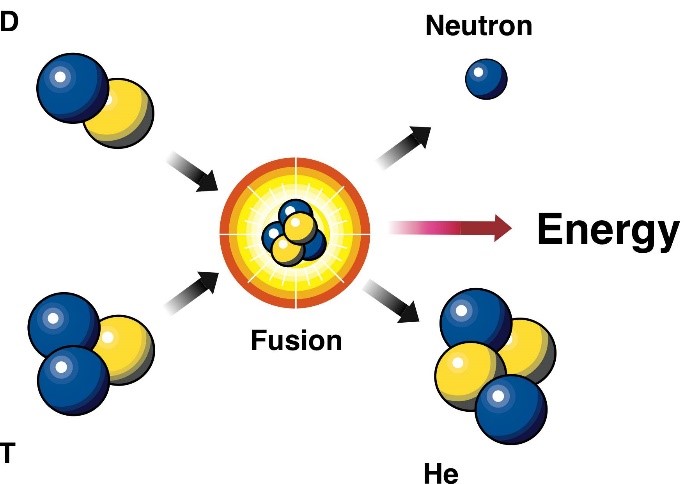
Fusion occurs when two light nuclei combine to form a heavier nucleus, releasing massive amounts of energy.
On the sun:
- Hydrogen atoms fuse into helium
- Extreme heat and pressure sustain the reaction
- The released energy keeps the sun shining
On Earth, fusion aims to recreate these conditions using advanced technology.
Fusion uses:
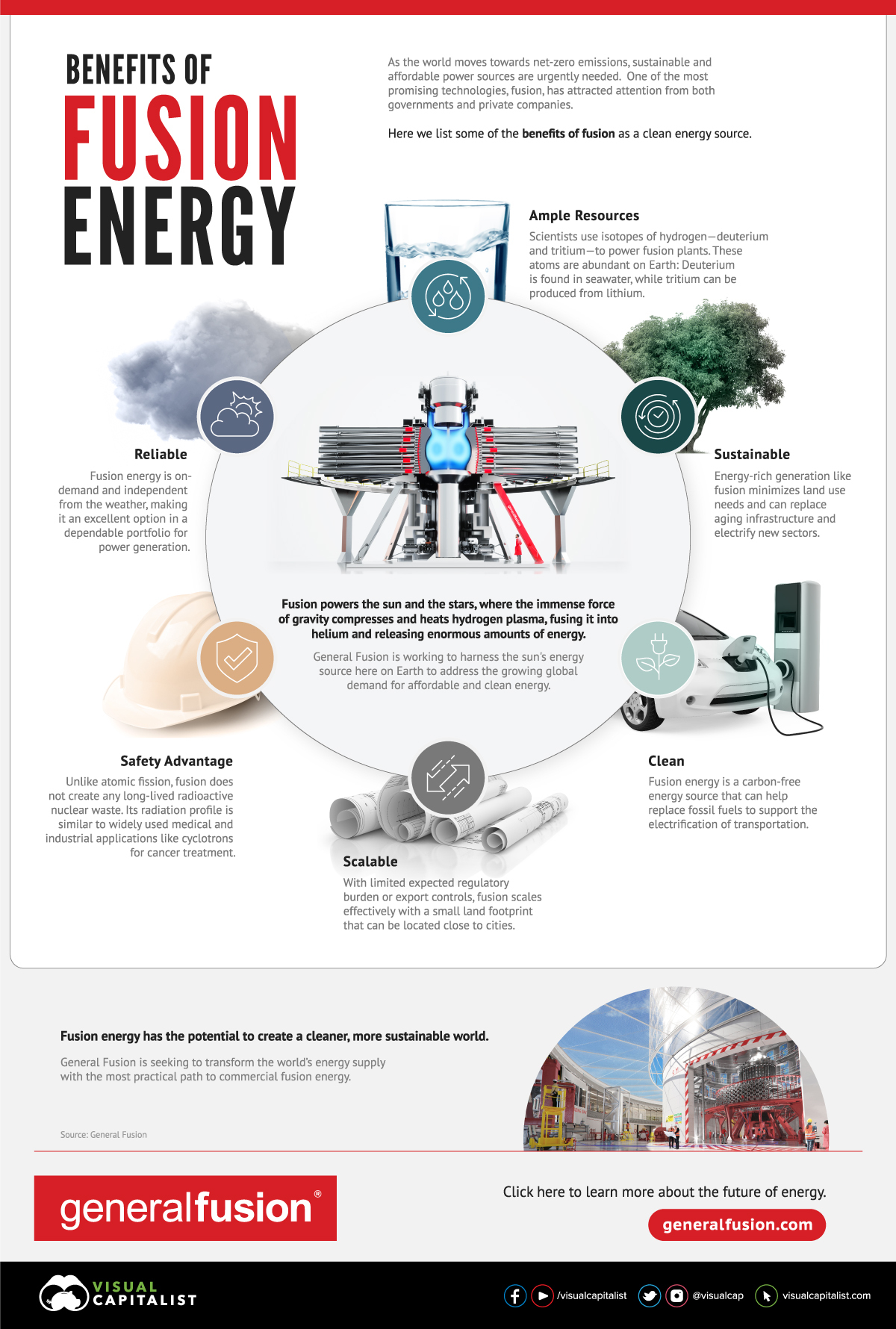
- Deuterium (from seawater)
- Tritium (breedable from lithium)
These elements are abundant, making fusion far more sustainable than fossil fuels.
Fusion vs Fission: Why Fusion Is the Safer Option
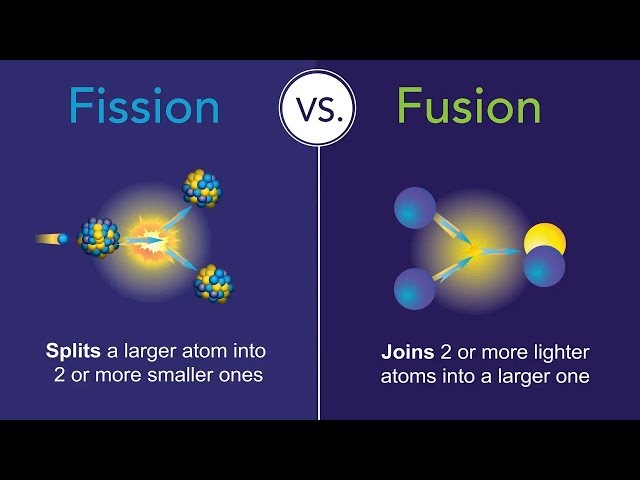
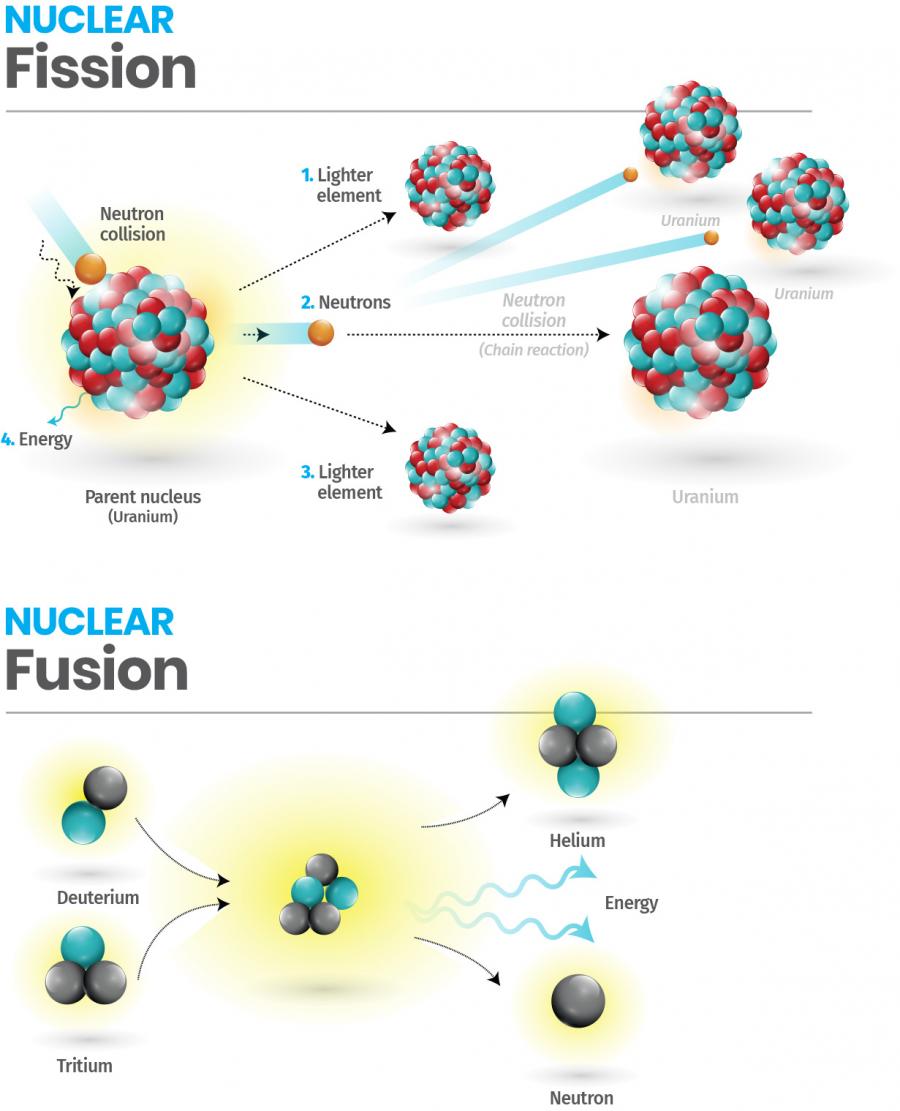
Many people confuse fusion with nuclear fission (the process used in existing nuclear power plants). Here’s the key difference:
| Fusion | Fission |
|---|---|
| Combines atoms | Splits atoms |
| Produces little to no long-term radioactive waste | Produces significant radioactive waste |
| Cannot meltdown | Risk of meltdown exists |
| Requires extreme conditions to operate | Easier to maintain |
| Fuel is abundant and safer | Fuel is limited and hazardous |
Fusion is fundamentally safer.
It cannot cause explosions or runaway reactions.
If a fusion reactor fails, the reaction simply stops.
How Fusion Energy Works: The Core Technology
To achieve fusion on Earth, we must heat hydrogen isotopes to more than 100 million degrees Celsius, forming a plasma where nuclei move fast enough to fuse.
There are two main fusion approaches:
1. Magnetic Confinement Fusion (MCF)
(Tokamaks & Stellarators)
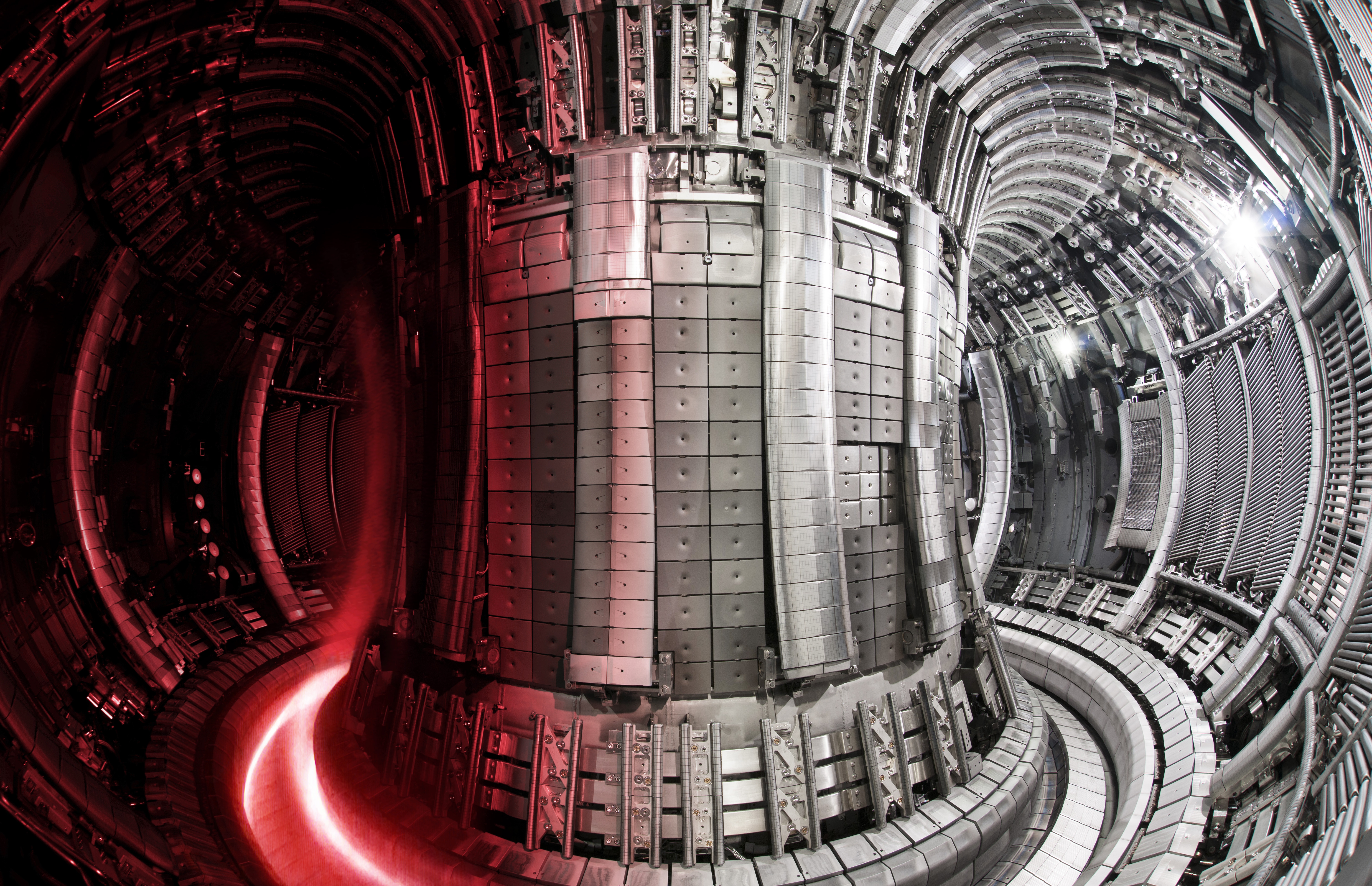
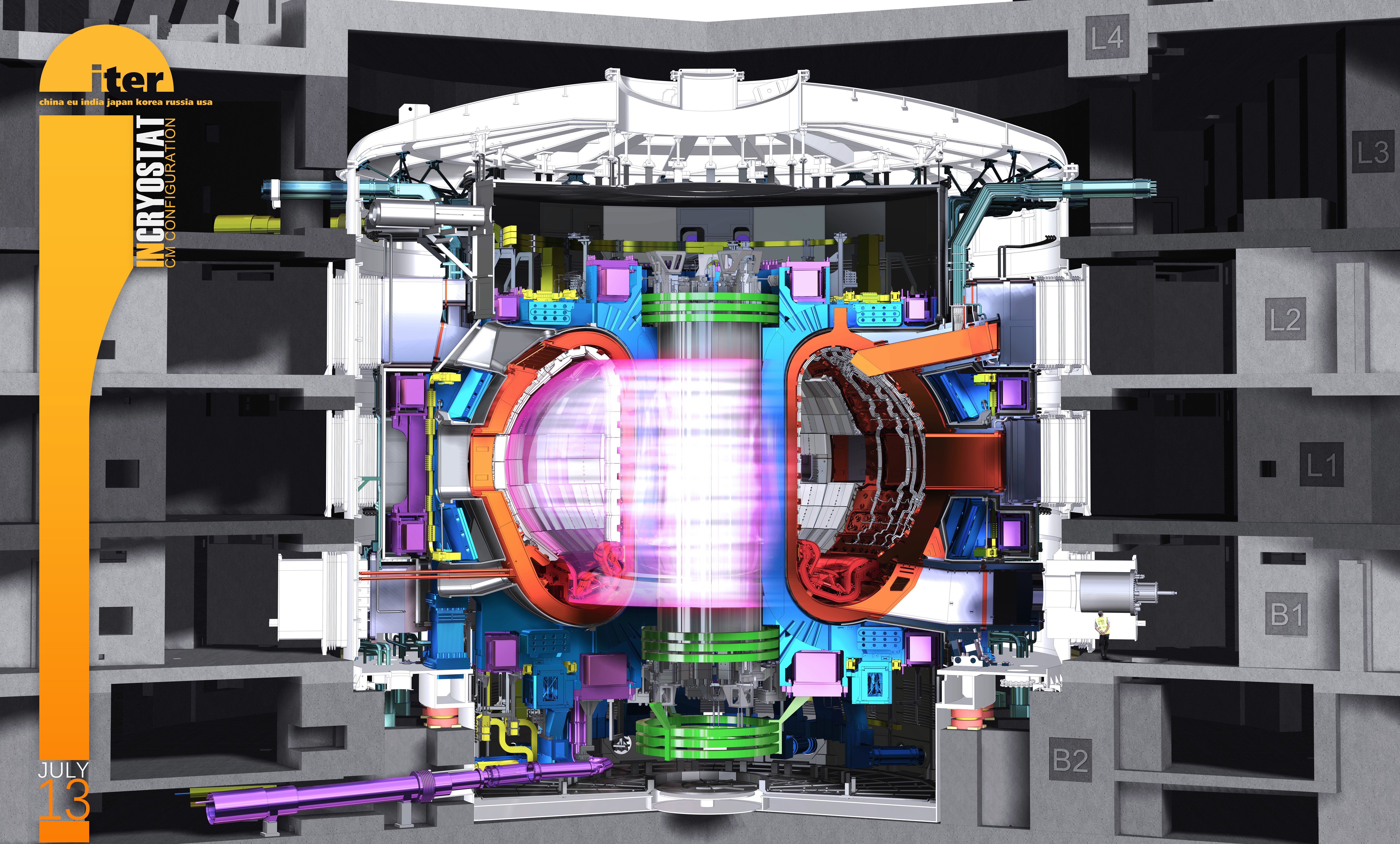

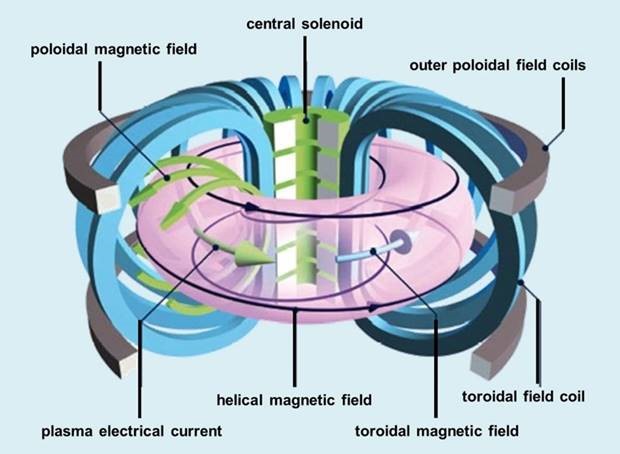
This method uses powerful magnetic fields to confine extremely hot plasma.
Tokamaks
A donut-shaped chamber where plasma flows in a loop.
Examples:
- ITER (France)
- JET (UK)
- KSTAR (Korea)
- SPARC (US)
Stellarators
A twisted, intricate magnetic design that offers greater plasma stability.
Examples:
- Wendelstein 7-X (Germany)
- HSX (US)
Magnetic confinement is the most researched approach, with strong international support.
2. Inertial Confinement Fusion (ICF)
(Laser Fusion)
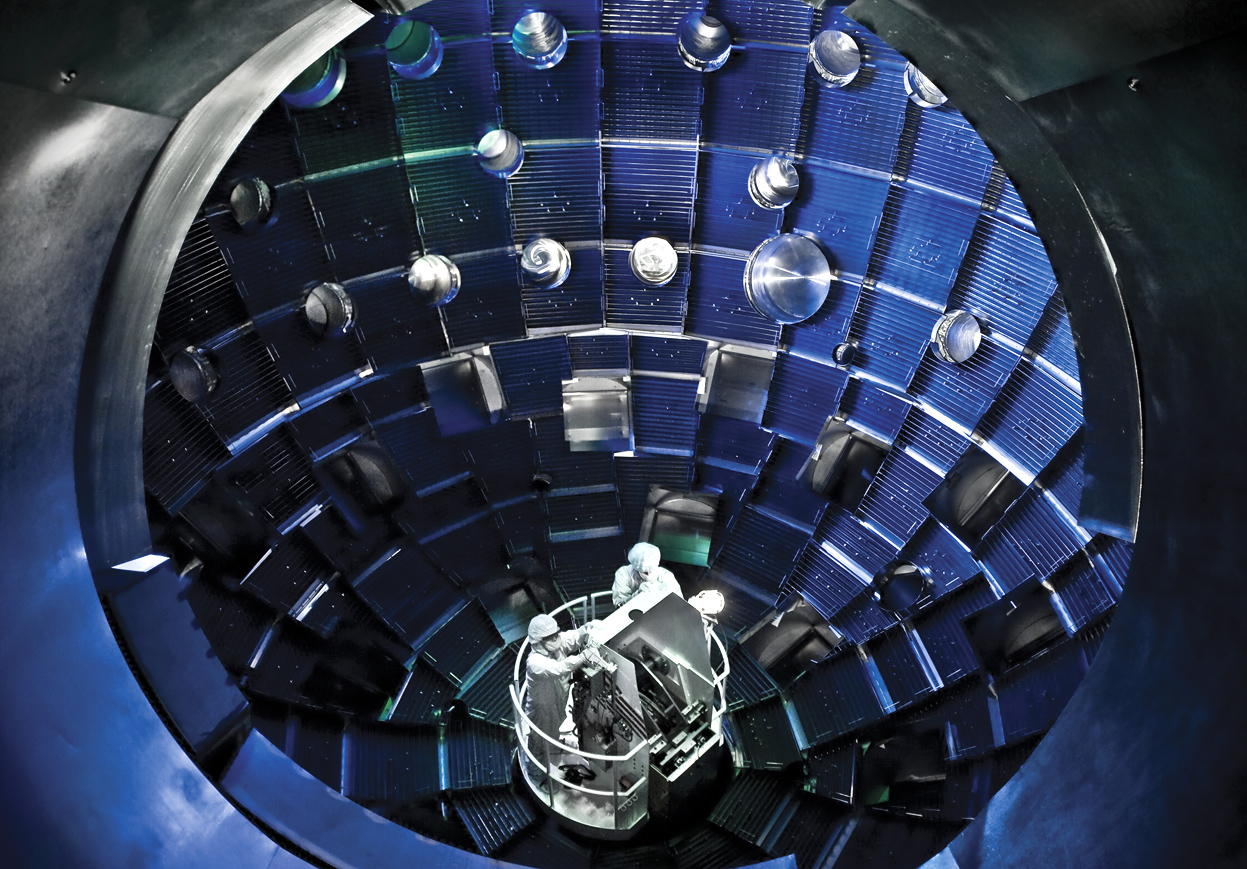
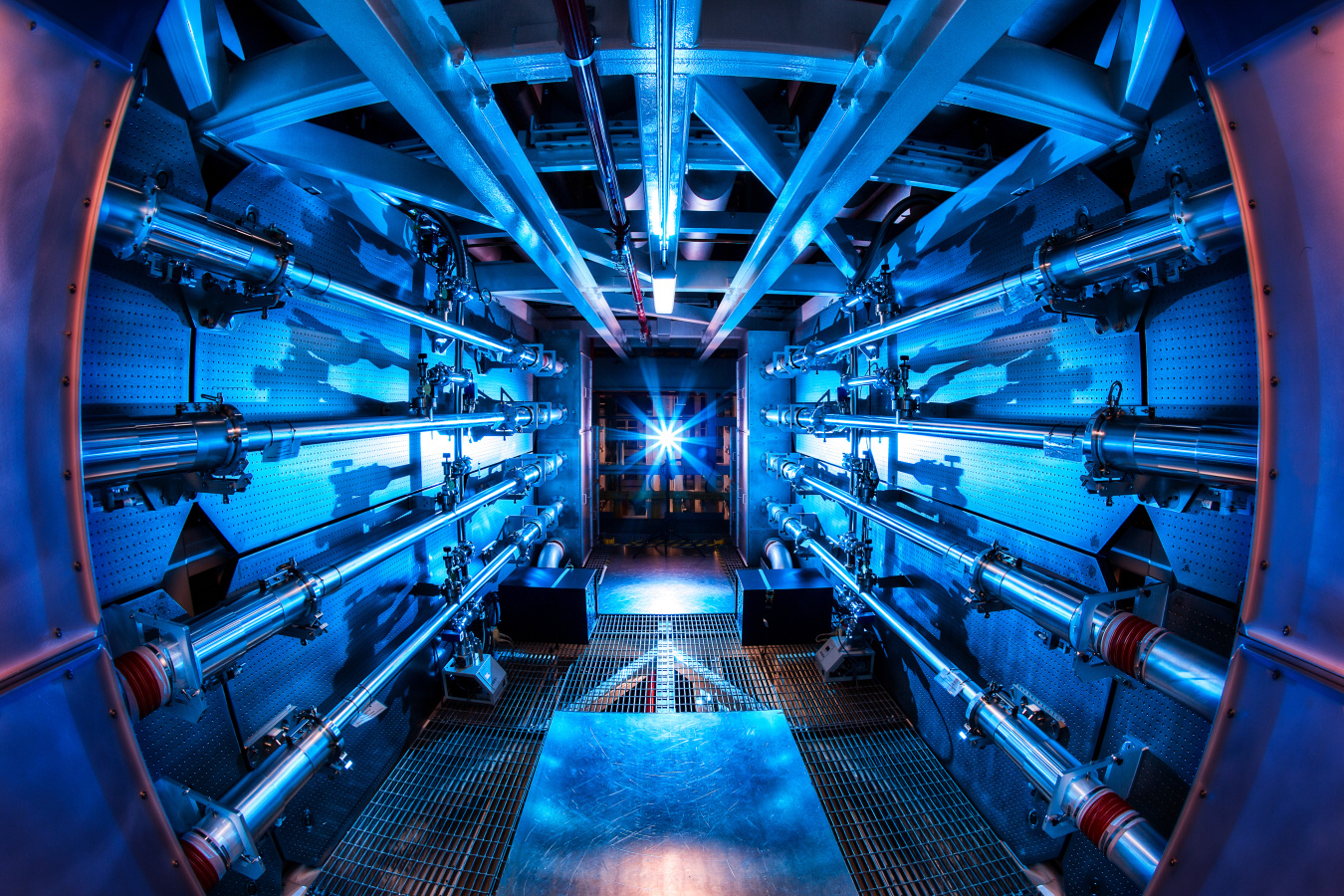
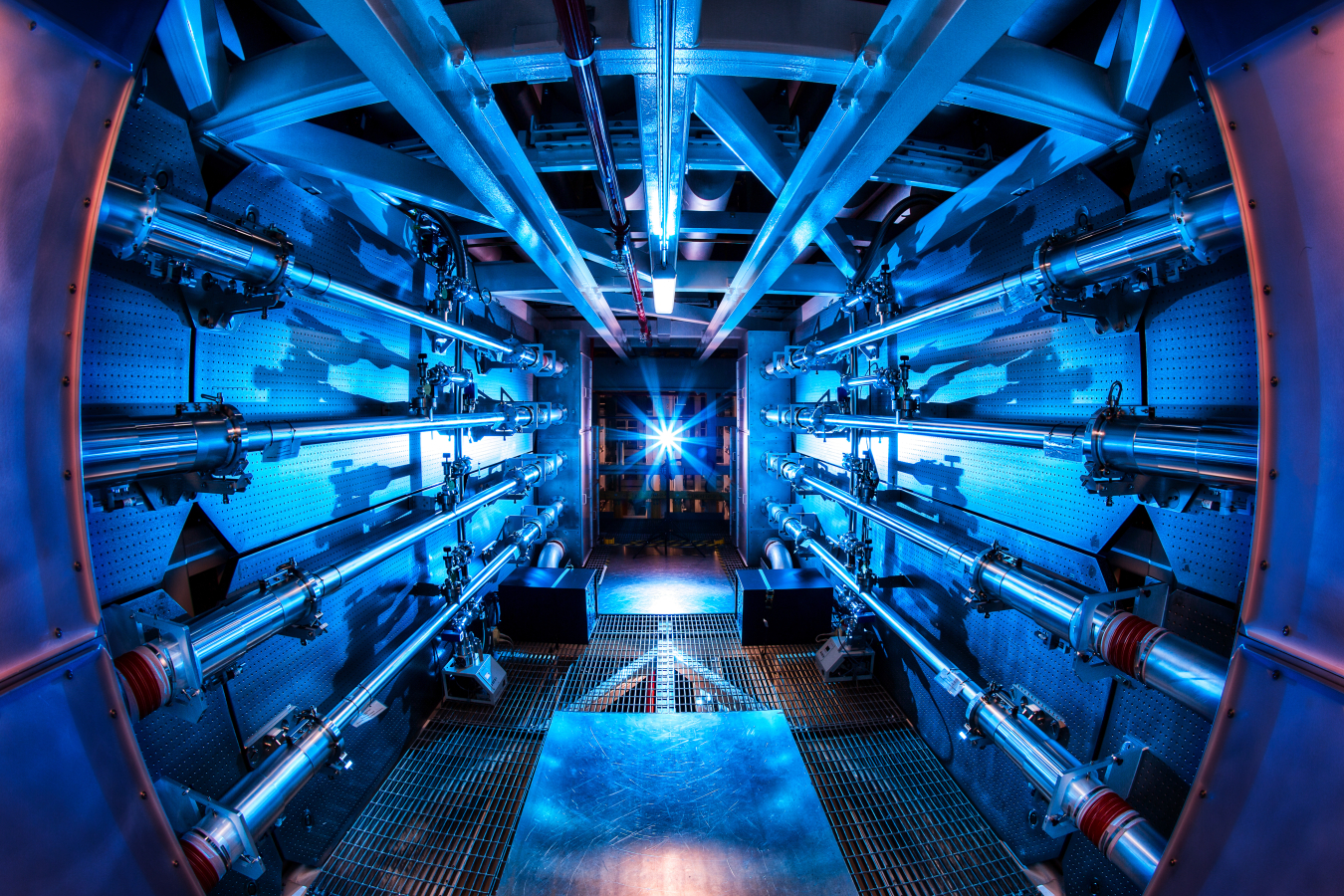
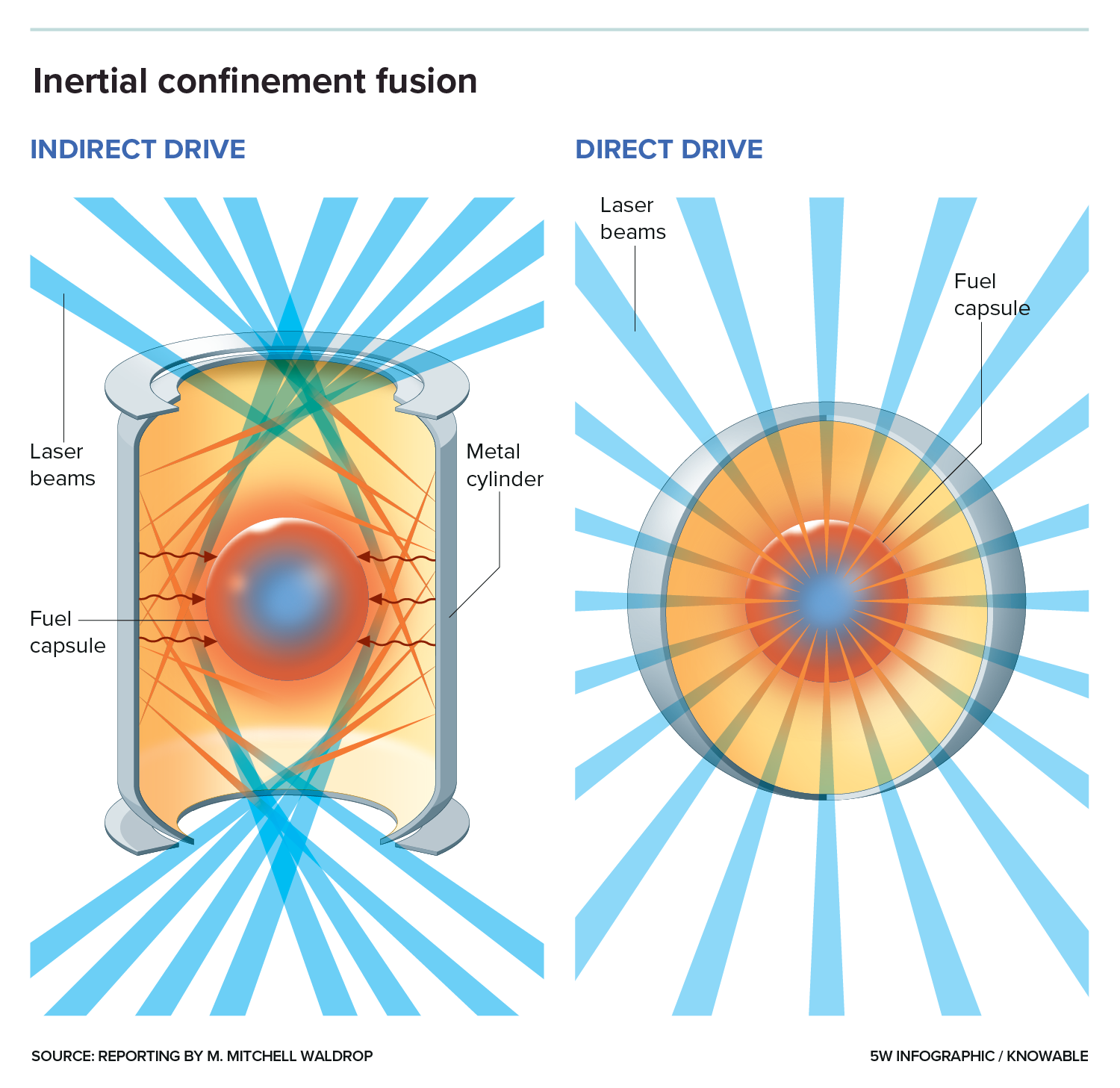
This method uses powerful lasers to rapidly heat and compress fuel pellets.
Example:
- The National Ignition Facility (NIF) in the United States
In 2022 and again in 2023, NIF achieved a historic milestone—ignition, producing more energy than the lasers delivered to the fuel.
Major Breakthroughs in Fusion Energy (2023–2025)
Since 2023, fusion research has reached unprecedented achievements.
1. Energy-Positive Fusion Achieved Multiple Times
NIF demonstrated energy gain (Q > 1) in repeated experiments, proving ignition is reproducible.
This milestone changed global momentum and investor confidence.
2. AI-Powered Plasma Control
AI models now:
- Predict plasma instabilities
- Adjust magnetic fields in microseconds
- Reduce reactor downtime
- Increase plasma confinement times
Companies like Google and DeepMind contributed significantly.
3. Next-Generation Superconducting Magnets
High-temperature superconductors (HTS) allow stronger magnetic fields, enabling smaller and cheaper reactors.
Common use:
REBCO tape magnets, used by MIT’s SPARC reactor.
4. Longest Plasma Sustainment Records Broken
Examples:
- Korea’s KSTAR sustained plasma for 100 seconds at high temperature.
- China’s EAST tokamak reached 120 million°C for 101 seconds.
- Wendelstein 7-X achieved record plasma stability.
5. Commercial Fusion Startups Making Progress
Companies like:
- Commonwealth Fusion Systems
- Helion Energy
- Tokamak Energy
- TAE Technologies
- General Fusion
have prototypes scheduled within the next decade.
6. Tritium Breeding & Fuel Cycle Advancements
Progress in breeding tritium inside reactors means long-term sustainability.
Different Types of Fusion Reactors (Explained)
Not all fusion machines are the same. Here are the major designs shaping the future:
1. Tokamak Reactors
The most widely studied.
Uses magnetic fields to confine plasma in a torus shape.
Pros:
- High performance
- Proven experiments
- Strong global investment
2. Stellarators
Use complex magnetic coils to create stable plasma flows.
Pros:
- Extremely stable
- Continuous operation possible
3. Laser Fusion (ICF)
Uses laser beams to compress fuel pellets.
Pros:
- Proven ignition
- High energy output potential
4. Magnetized Target Fusion (MTF)
Hybrid of magnetic confinement and inertial confinement.
Companies:
General Fusion (Canada), using a rotating liquid metal sphere.
5. Z-pinch & Sheared Flow Reactors
Uses electric current to compress plasma.
TAE Technologies uses this innovative approach with promising results.
6. Direct-Fusion Drive & Space Fusion Reactors
Used for spacecraft propulsion.
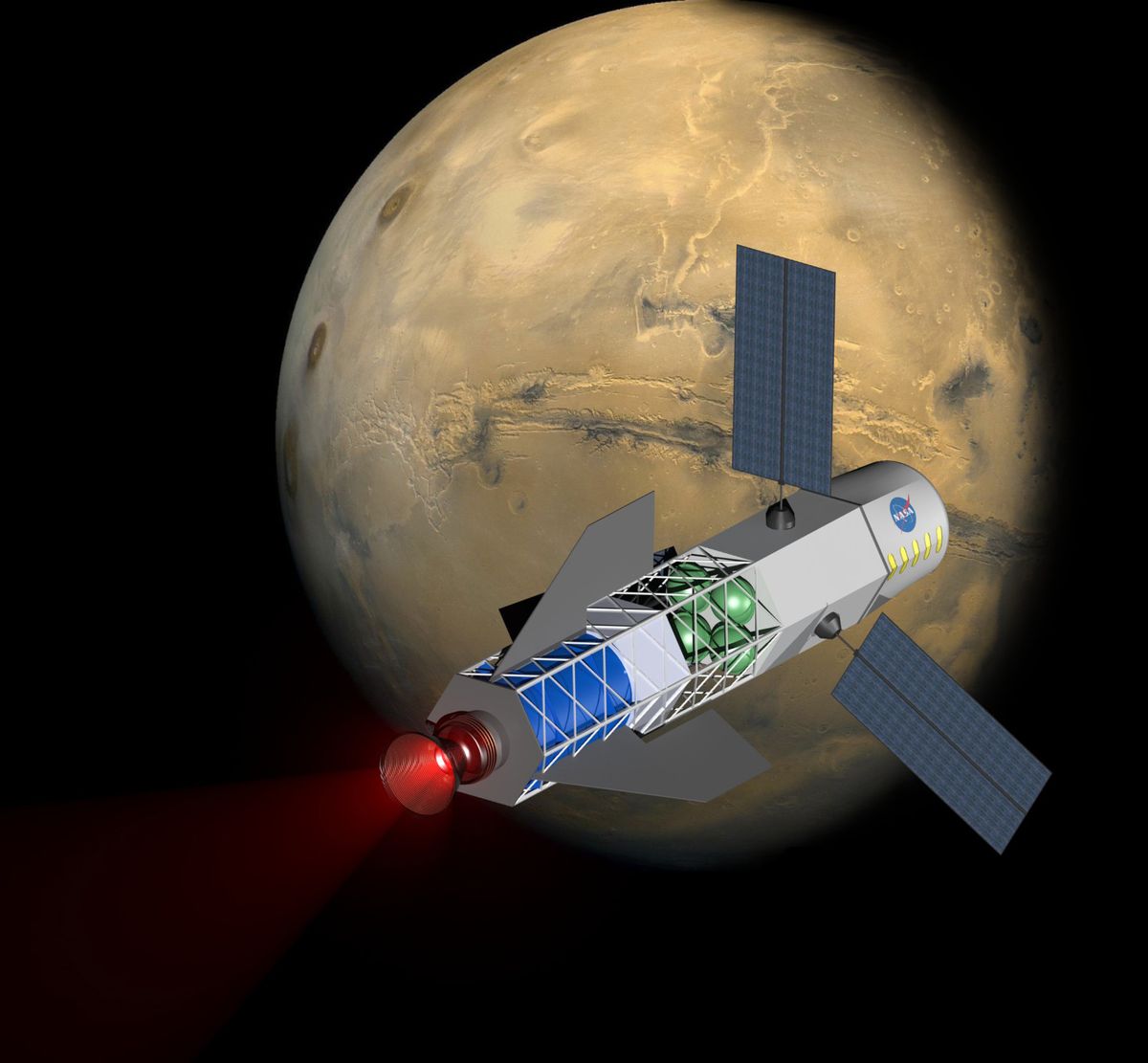
Fusion rockets could cut Mars travel from 7 months to 45 days.
Why Fusion Energy Matters: Benefits Over Existing Energy Sources
Fusion offers advantages unmatched by any other energy technology:
1. Virtually Unlimited Fuel
Deuterium is extracted from seawater.
Tritium can be bred from lithium.
2. Zero Greenhouse Gas Emissions
Fusion produces:
- No CO₂
- No methane
- No toxic byproducts
A game changer for climate goals.
3. No Risk of Meltdown
Fusion reactions require perfect conditions to continue.
If anything goes wrong, the reaction stops instantly.
4. Minimal Radioactive Waste
Only the reactor walls become slightly activated and can be recycled.
5. Energy Density Millions of Times Higher Than Fossil Fuels
Just one bathtub of seawater provides enough fuel to power a city for days.
6. Stable, 24/7 Base-Load Power
Unlike solar and wind:
- Fusion works day and night
- Unaffected by weather
- Can replace coal and natural gas plants
Fusion Energy Applications Beyond Electricity
Fusion has broader implications:
1. Clean Hydrogen Production
Fusion reactors can produce green hydrogen at scale for:
- Fuel cells
- Steel manufacturing
- Industrial heating
2. Freshwater Desalination
Fusion energy can power desalination plants to solve global water scarcity.
3. Space Exploration
Fusion drives could:
- Power spacecraft
- Enable rapid interplanetary travel
- Support lunar and Martian outposts
4. Advanced Manufacturing
Fusion power provides heat for:
- Steel
- Cement
- Chemical production
Industries that currently emit huge carbon emissions.
5. Data Centers
Fusion could sustainably power the AI era’s massive computing infrastructure.
Challenges Facing Fusion Energy
Even with progress, fusion faces real obstacles:
1. Plasma Instability
Hot plasma behaves like a living creature — unpredictable and hard to control.
2. High Costs
Building a fusion reactor requires billions in investment.
However, costs are decreasing due to:
- Better magnets
- AI control
- Private-sector innovation
3. Tritium Supply Issues
Tritium is rare.
Breeding systems must work efficiently for commercial fusion.
4. Engineering Complexity
Reactor materials must withstand:
- Extreme heat
- Neutron bombardment
- High magnetic fields
Developing these materials is an intense challenge.
5. Regulatory Framework
Fusion doesn’t fit traditional nuclear regulations.
Governments must adapt rules for:
- Safety
- Licensing
- Waste management
When Will Fusion Be Commercial? Realistic Timeline (2025–2040)
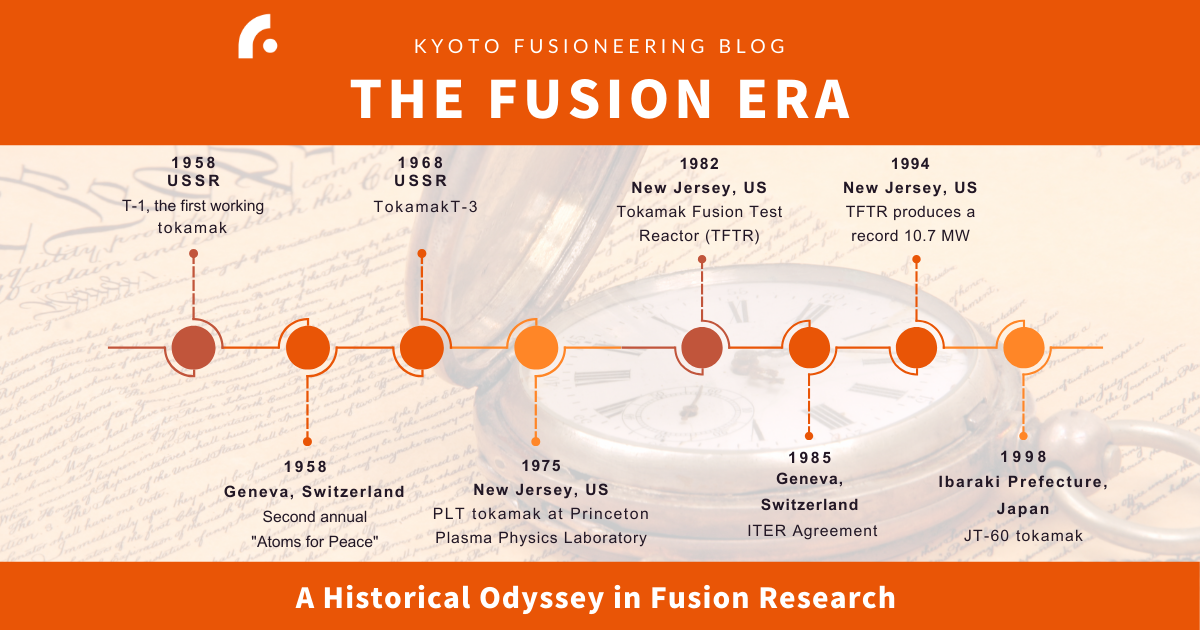
Fusion is moving faster than most experts expected. Here’s the projected timeline:
2025–2030: Experimental Reactors Produce Net Energy
Companies like:
- Helion
- SPARC
- General Fusion
plan to demonstrate energy-gain reactors.
2030–2035: First Commercial Pilot Plants
Small-scale fusion plants begin generating:
- 50–100 MW of power
- Connected to local grids
2035–2040: Widespread Commercial Fusion Plants
Fusion becomes a competitive energy source.
2040 and Beyond: Global Deployment
Fusion may:
- Replace fossil plants
- Provide energy for megacities
- Power hydrogen industries
- Support space colonization
How Fusion Energy Will Impact the World
✔ Europe and Asia could drastically reduce coal use
✔ Clean energy could become cheaper than fossil fuels
✔ Nations may gain energy independence
✔ Climate goals become realistically achievable
✔ Billions gain access to sustainable electricity
✔ AI, robotics, and cloud computing receive limitless power
Fusion is not just an energy solution — it is a civilization-shaping technology.
Conclusion: Fusion Energy Is the Most Important Technology of Our Time
Fusion energy represents hope — not just for clean power but for a sustainable future. Unlike many emerging technologies, fusion directly addresses humanity’s biggest challenges:
- Climate change
- Energy poverty
- Industrial emissions
- Water scarcity
- Space exploration
Breakthroughs in the last three years prove that fusion is no longer hypothetical. It is accelerating toward real deployment, supported by AI, robotics, superconductors, and global investments.
If successful, fusion will reshape economies, industries, and global power structures. It will become the defining technology of the 21st century — the moment when humanity learns to harness a star.
The age of fusion is coming, and the world must prepare for a future powered by limitless, clean energy.