4D Printing: The Revolutionary Technology Creating Self-Transforming Materials (2025 Edition)

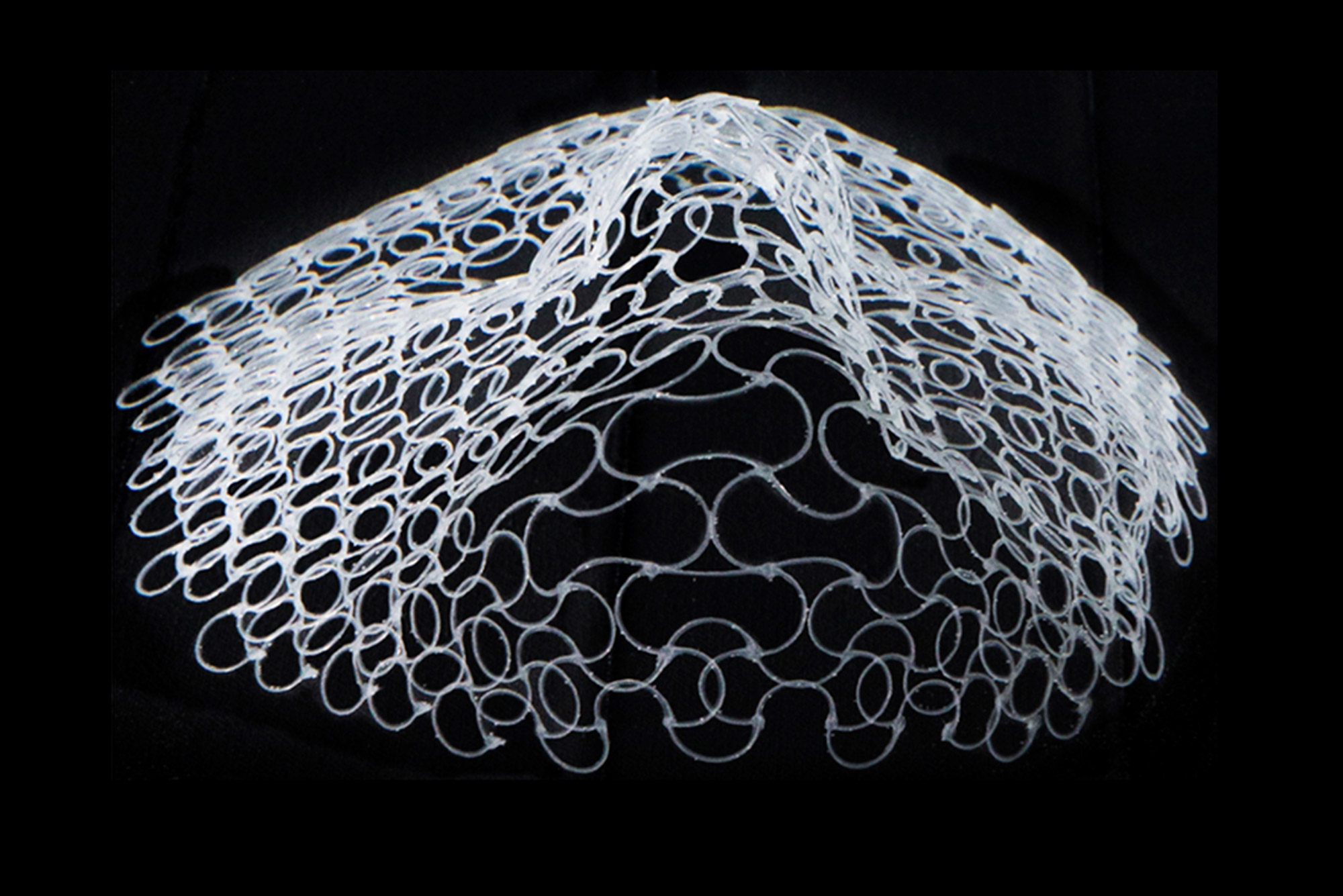

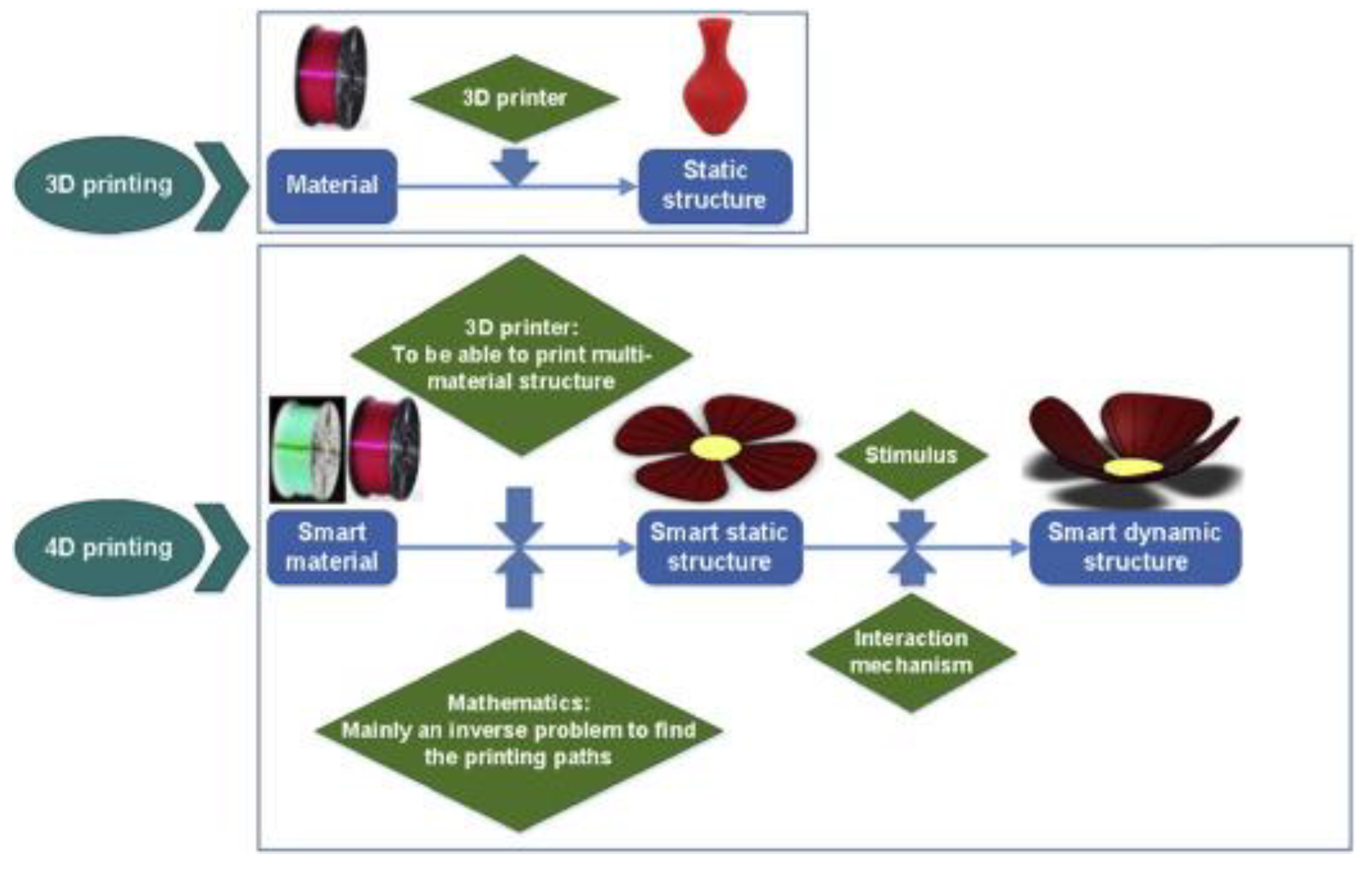
4D printing is one of the most groundbreaking innovations in advanced manufacturing, taking the capabilities of 3D printing to an entirely new level. While 3D printing creates static, solid objects, 4D printing creates objects that change shape, behavior, or function over time in response to environmental conditions such as heat, moisture, light, pressure, or magnetic fields.
In simple terms, 4D printing adds time as the fourth dimension, enabling objects to self-transform, self-assemble, bend, expand, contract, or even repair themselves without human intervention. This technology blends materials science, smart polymers, nanotechnology, physics, and computational design to create adaptive, programmable materials with enormous potential in industries such as healthcare, aerospace, construction, fashion, robotics, and environmental engineering.
This article provides a complete, beginner-friendly yet technical exploration of 4D printing, including how it works, current breakthroughs, real-world use cases, advantages, challenges, and what the future holds.
What Is 4D Printing?
4D printing uses smart materials that respond to external stimuli. These materials are designed to change their structure or shape over time after being 3D printed.
The “fourth dimension” refers to time or transformation, meaning that the object:
- Starts in one shape
- Is exposed to a trigger (heat, water, light, electricity, etc.)
- Then transforms into a programmed new shape or function
Unlike traditional manufacturing methods, 4D printing allows designers to embed “instructions” into the material, making it morph or adapt on its own when activated.
How 4D Printing Works
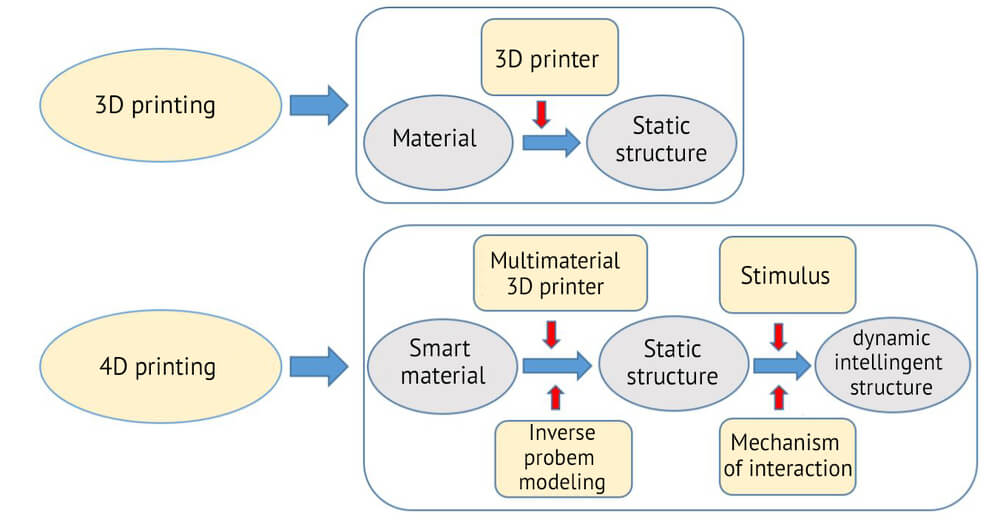
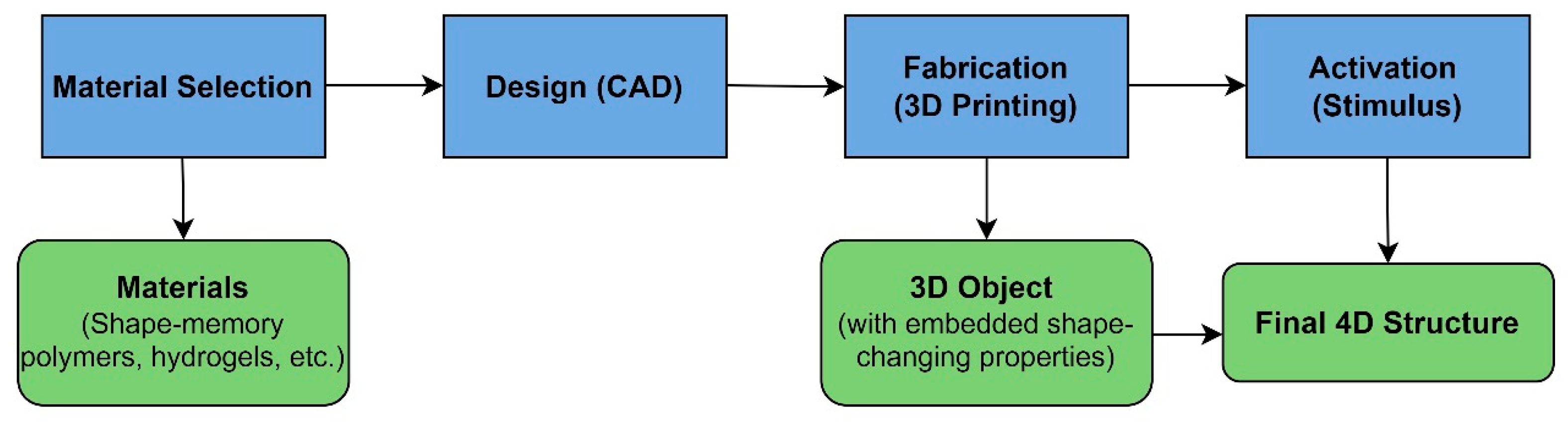
4D printing relies on a combination of material science, digital modeling, and environmental triggers. It works in several steps:
Step 1: Design the Transformation
Engineers use CAD and simulation tools to model the shape-shifting behavior. The design includes:
- Initial form
- Final form
- Path of transformation
- Trigger conditions
Algorithms help calculate how the material will behave at every stage.
Step 2: Select Smart Materials
4D printing uses advanced materials such as:
- Shape-memory polymers
- Hydrogels
- Thermal-responsive materials
- Light-responsive materials
- Magnetoresponsive composites
- Multi-material composites
These materials contain molecular structures that can shift when stimulated.
Step 3: Multi-Material 3D Printing
Printers deposit layers with variations in stiffness, elasticity, thickness, and orientation. The material composition determines how the object will later transform.
Step 4: Activation
Once printed, the object is exposed to a stimulus such as:
- Heat
- Water/moisture
- Light (UV, infrared)
- Electricity
- Magnetic fields
- pH changes
The object responds by changing shape or structure, performing its programmed transformation.
Key Technologies Enabling 4D Printing
Smart Polymers
These polymers change their physical properties in reaction to environmental changes.
Shape Memory Materials
These materials “remember” a predetermined shape and shift back to it when triggered.
Hydrogels
Water-absorbing materials able to swell or shrink in controlled ways.
Multi-Material Printing
4D printing relies heavily on printers capable of mixing different materials within the same object.
Computational Modeling
AI and simulation tools predict how materials will respond over time, allowing precise control.
Types of Transformations in 4D Printing

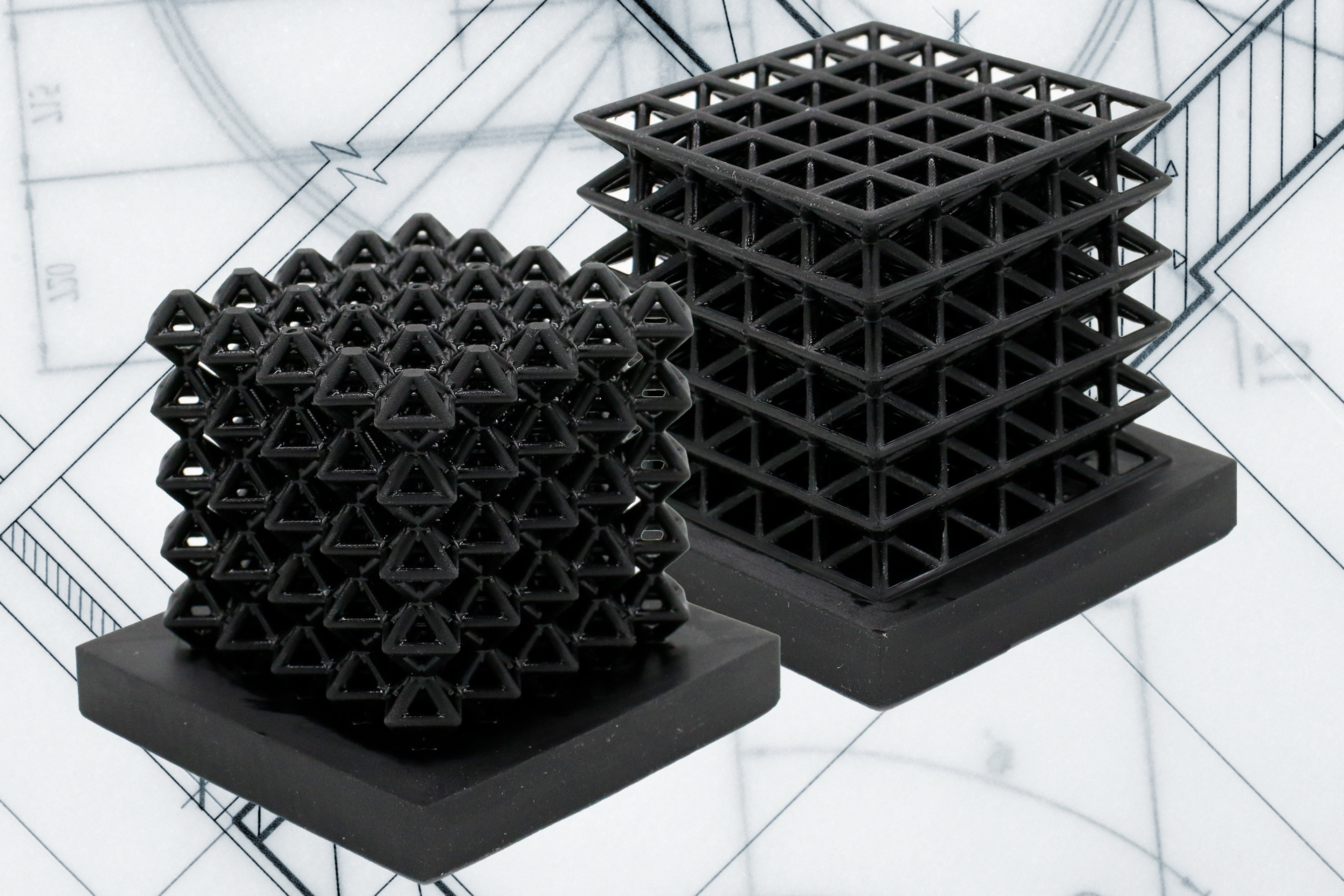
Different materials respond differently, creating a wide range of transformations.
Shape-Shifting
Objects bend, twist, curl, or expand.
Self-Assembly
Flat structures fold into 3D shapes automatically.
Self-Repair
Materials identify and heal cracks or damage.
Property Modification
Objects can change:
- Stiffness
- Permeability
- Elasticity
- Conductivity
Movement and Actuation
Some materials act like artificial muscles, capable of motion.
Breakthroughs in 4D Printing (2023–2025)
Recent advancements have brought 4D printing into practical applications.
Improved Smart Materials
New polymers can shift shape repeatedly without degradation.
Multi-Stimuli Materials
Materials that respond to more than one trigger allow more complex behavior.
Faster Reaction Times
Objects now change shape in seconds instead of hours.
Higher Durability
Smart materials are now stronger and more flexible, surviving thousands of transformation cycles.
Integration with AI
AI models help predict and optimize shape transformations with high accuracy.
Large-Scale 4D Printing
4D printing is no longer limited to small prototypes—construction-scale printed elements are emerging.
Applications of 4D Printing Across Industries

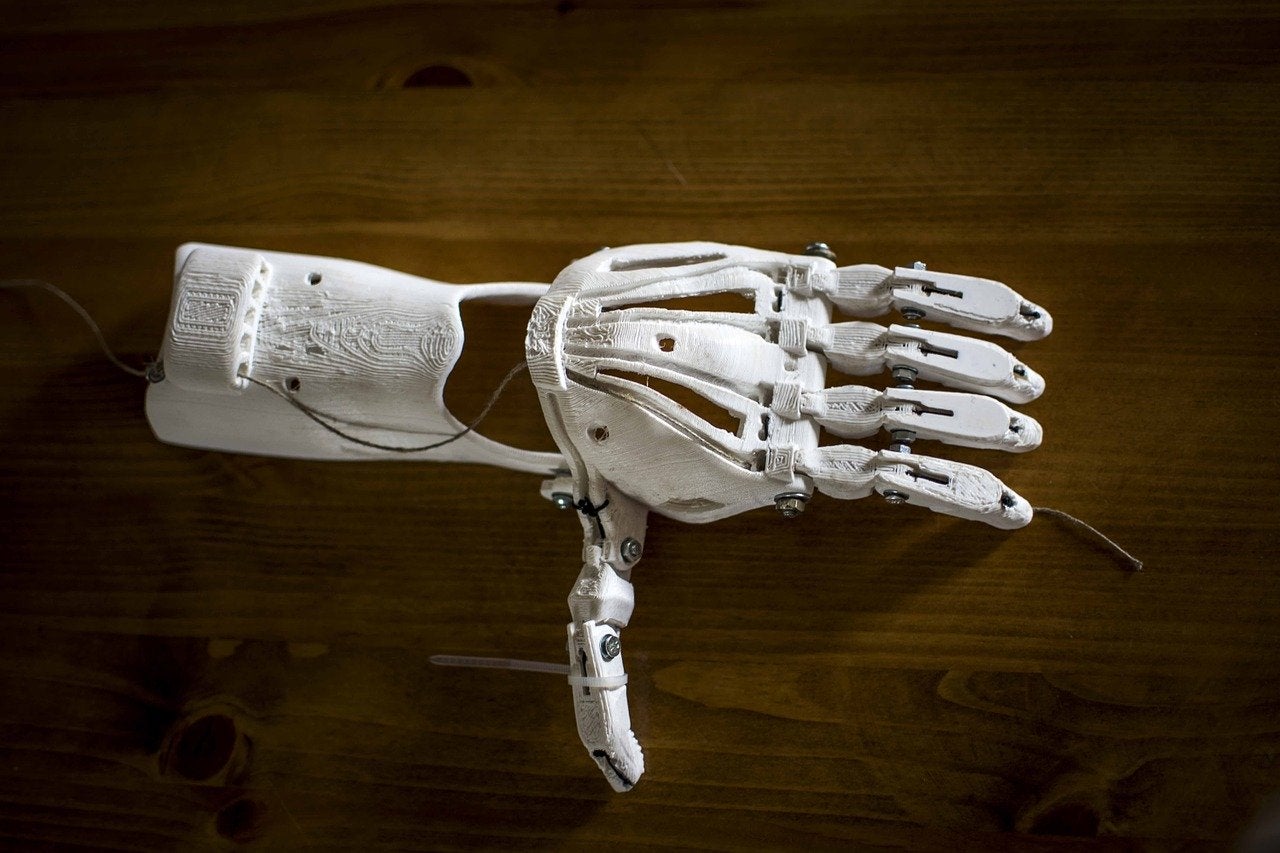
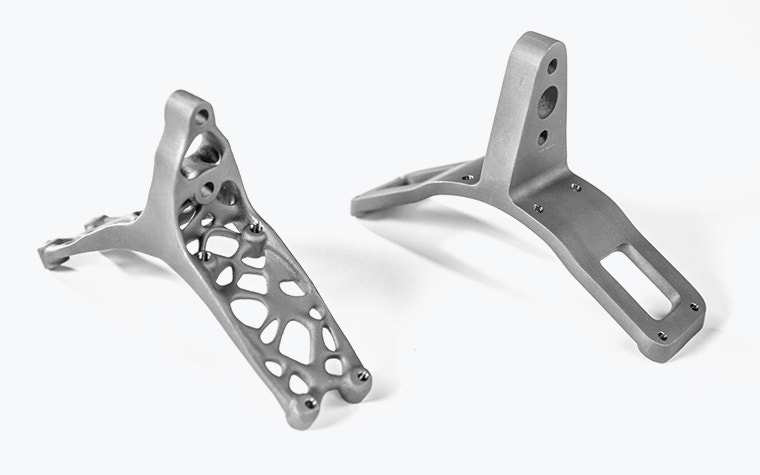
4D printing is unlocking new possibilities across multiple sectors. Here are the major fields where the technology is making an impact:
Healthcare and Medicine
Self-Expanding Stents
4D-printed stents can enter arteries in compact form and expand once inside the body.
Tissue Engineering
Smart scaffolds adjust stiffness and porosity to support cell growth.
Personalized Orthotics
Material adapts to body temperature or user movement.
Drug Delivery Devices
Capsules change shape to release medication at controlled intervals.
Surgical Tools
4D-printed instruments can soften or stiffen as required.
Aerospace and Aviation
4D printing enables lightweight, adaptive components such as:
Adaptive Airfoils
Wings that adjust shape for optimal aerodynamic performance.
Self-Repairing Materials
Aircraft parts that heal surface damage mid-flight.
Deployable Structures
Components that fold for compact storage then expand in space.
Thermal-Responsive Parts
Materials that adjust properties due to space temperature changes.
Construction and Architecture
4D printing could revolutionize sustainable building materials.
Self-Forming Structures
Flat materials that automatically transform into curved or complex shapes.
Moisture-Responsive Facades
Panels that open or close depending on humidity and temperature.
Earthquake-Resistant Components
Structures that flex instead of breaking.
Time-Adaptive Pipes
Pipes that expand or contract with temperature changes.
Robotics
4D printing merges robotics with soft, flexible materials.
Soft Robots
Actuated by heat or light instead of motors.
Artificial Muscles
Materials that contract or extend like human muscle tissue.
Shape-Shifting Grippers
Grippers that conform to any object shape.
Fashion and Wearables
4D printed clothing adapts to temperature or body movement.
Auto-Fitting Apparel
Garments reshape to fit any body type.
Temperature-Adaptive Fabric
Cooling or insulating depending on the environment.
Self-Folding Footwear
Shoes or accessories that adjust shape for comfort.
Environmental and Sustainability
Self-Actuating Water Valves
Open or close depending on flow pressure.
Smart Irrigation Systems
4D-printed structures react to soil moisture.
Eco-Friendly Materials
Biodegradable smart polymers reduce waste.
Advantages of 4D Printing
4D printing offers unique advantages compared to 3D printing or traditional manufacturing.
Adaptability
The ability of materials to adapt improves efficiency and longevity.
Space and Cost Savings
Objects can be printed in compact forms and expand when needed.
Self-Assembly
Reduces labor and manufacturing complexity.
Reduced Maintenance
Self-healing materials minimize repairs and downtime.
Improved Functionality
Objects can perform multiple tasks depending on environmental triggers.
Lightweight Structures
Ideal for aerospace and transportation.
Challenges and Limitations of 4D Printing


Despite promising progress, challenges remain.
Material Limitations
Smart materials can be expensive or difficult to manufacture.
Slow Transformation
Some objects still take minutes or hours to activate.
Durability Issues
Repeated transformations may weaken the structure.
High Cost
Research-grade 4D materials can be expensive.
Complex Modeling
Predicting shape shifts requires advanced simulation.
Limited Industrial Standards
Industry regulation and standardization are still developing.
Future of 4D Printing (2025–2040)

The future of 4D printing is incredibly promising and could fundamentally change manufacturing.
Highly Responsive Smart Materials
Materials will react instantly to triggers.
Fully Programmable Matter
Objects may reconfigure into multiple shapes based on needs.
Large-Scale 4D Printed Buildings
Self-assembling construction components.
Medical Implants That Evolve
Implants that grow, heal, or reshape with the body.
Intelligent Soft Robots
Soft robots that navigate complex environments autonomously.
Personalized Consumer Products
Wearables, devices, and clothing that adapt to the person wearing them.
Integration with AI-Driven Design
AI will optimize transformation patterns more efficiently than human designers.
Impact of 4D Printing on Society and Industry
4D printing will influence how products are designed, built, and used.
Manufacturing Efficiency
Less material waste due to automated shape transformation.
Lower Environmental Impact
Eco-friendly smart materials enable sustainable products.
Healthcare Breakthroughs
Adaptive implants and medical devices can improve patient outcomes.
Infrastructure Innovation
Buildings become more resilient to climate and environmental changes.
Disaster Response
Self-deploying structures and tools for emergencies.
Consumer Customization
Everyday products become more interactive and tailored.
Conclusion
4D printing is one of the most exciting innovations in modern engineering, blending advanced materials with digital design to create objects that move, adapt, and evolve over time. It represents a massive leap forward beyond traditional and 3D printing technologies, offering transformative applications in healthcare, aerospace, robotics, construction, and sustainability.
With rapid progress in smart materials, AI modeling, and multi-material printing, 4D printing is moving from scientific experimentation to real-world integration. In the coming decades, everything from buildings to implants to clothing may be capable of adapting to the environment or user needs at the molecular level.
4D printing is not just a manufacturing technique—it is the beginning of a future where materials themselves become intelligent.