
AI Autonomous Agents: How Next-Generation Artificial Intelligence Is Transforming the Future of Work (2025 Edition)


Artificial Intelligence has been a dominant force in innovation for more than a decade. But in 2025, we are witnessing a shift far more profound than chatbots answering questions or AI models generating text. A new generation of technology — AI Autonomous Agents — is beginning to reshape what we understand as productivity, automation, and digital intelligence.
Unlike traditional AI systems that rely heavily on prompts, manual supervision, and rule-based functions, autonomous agents represent a leap toward independent, self-directed AI systems capable of completing tasks, learning from outcomes, adapting to environments, and even collaborating with other AI agents to achieve goals.
This article explores everything you need to know about AI autonomous agents: what they are, how they work, why they are different from traditional models, and how they are transforming industries. We will also explore the challenges, opportunities, ethics, and future trends that make this technology one of the most powerful breakthroughs of the decade.
What Are AI Autonomous Agents?
An AI autonomous agent is a software-based system designed to:
- Plan goals
- Take actions independently
- Evaluate results
- Adapt to new conditions
- Communicate with other AI systems or APIs
- Operate continuously without human input
In simple terms, an autonomous agent acts like a digital employee capable of managing workflows from start to finish.
Traditional AI generates answers.
Autonomous agents generate actions — and then execute them.
How Do AI Autonomous Agents Work?
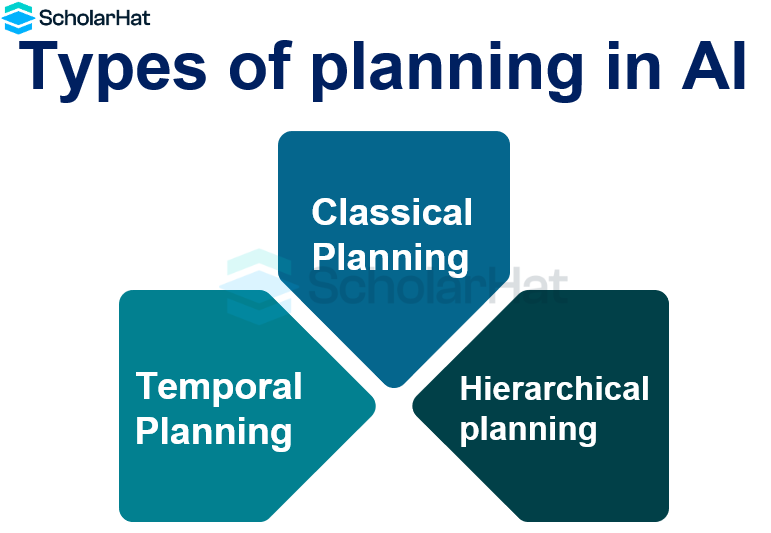
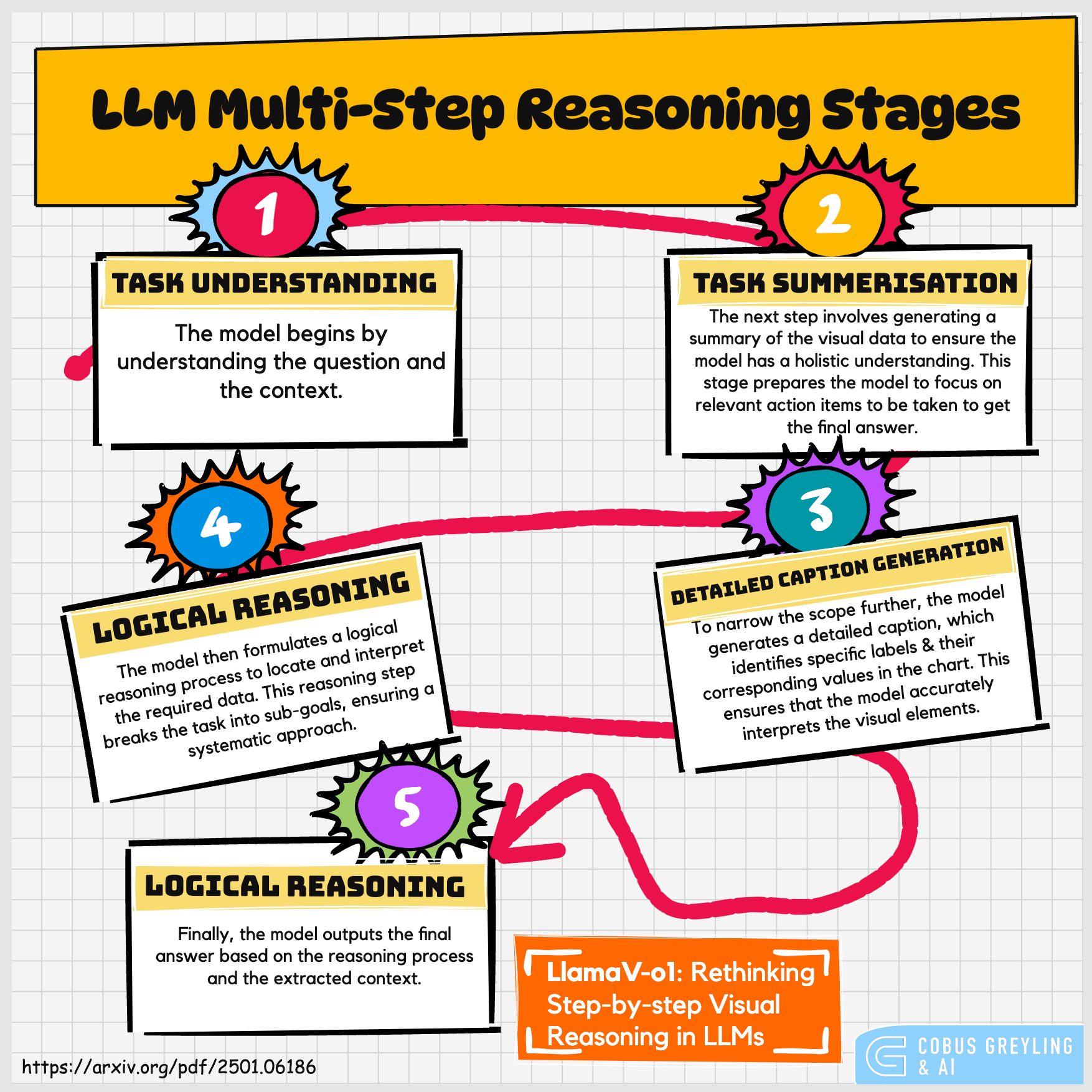
Autonomous agents rely on several major components:
1. A Large Language Model (LLM) or Foundation Model
This is the “brain” that understands language, instructions, and context.
2. A Planning System
Agents break down big goals into smaller tasks and create a logical sequence of steps.
3. Tool and API Integration
Agents connect to apps, software, and online tools. For example:
- Databases
- Web browsers
- CRMs
- Cloud platforms
- System commands
This allows them to take action — not just analyze data.
4. Memory
Agents store long-term and short-term memory so they can:
- Recall user preferences
- Keep track of project progress
- Learn from previous attempts
5. Feedback Loops
They evaluate their own results. If something fails, they try alternative approaches.
6. Autonomy Controls
These rules define:
- What the agent can do
- How long it runs
- What systems it can access
With these components combined, an autonomous agent can perform complex multi-step workflows that once required humans.
Examples of What AI Autonomous Agents Can Do


Here are real examples of agent capabilities already in use today:
1. Customer Support Automation
Agents can:
- Read customer emails
- Categorize the issue
- Find the appropriate solution
- Respond professionally
- Escalate issues only when necessary
2. Business Operations
- Process invoices
- Schedule appointments
- Generate reports
- Update databases
- Assign tasks to employees
3. IT & Cybersecurity
- Monitor networks
- Scan for threats
- Deploy patches
- Restart services
- Document system issues
4. Content Production
Autonomous agents can:
- Research a topic
- Create an outline
- Generate a full article
- Optimize for SEO
- Publish to a CMS
5. Software Development
Agents can:
- Write code
- Fix bugs
- Test programs
- Push to GitHub
- Deploy to servers
6. Sales & Marketing
- Build email campaigns
- Identify leads
- Score customers
- Generate pitch decks
These examples show how agents combine the power of AI understanding with the execution capability of digital automation.
Why AI Autonomous Agents Matter in 2025
As we transition into an era where businesses run on data and automation, autonomous agents address four major challenges:
1. The Productivity Gap
Many businesses lose valuable time to repetitive digital tasks such as:
- Copying data
- Preparing reports
- Sending routine emails
- Scheduling
- Monitoring systems
Autonomous agents eliminate these tasks, allowing humans to focus on creativity and strategy.
2. The Labor Shortage Problem
Around the world, industries face shortages in:
- IT
- Cybersecurity
- Healthcare
- Engineering
- Finance
AI agents fill operational gaps by doing the work of multiple human roles.
3. 24/7 Operation
Unlike employees, agents never stop working. They:
- Monitor systems overnight
- Respond immediately
- Solve problems before humans even wake up
4. Shift From “Task Automation” to “Process Automation”
Earlier AI tools automated individual tasks.
Autonomous agents automate entire workflows, such as:
- End-to-end IT troubleshooting
- Entire marketing campaign development
- Full customer onboarding processes
- Daily financial reporting cycles
This is a huge shift in how companies operate.
Real-World Industries Being Transformed by AI Agents
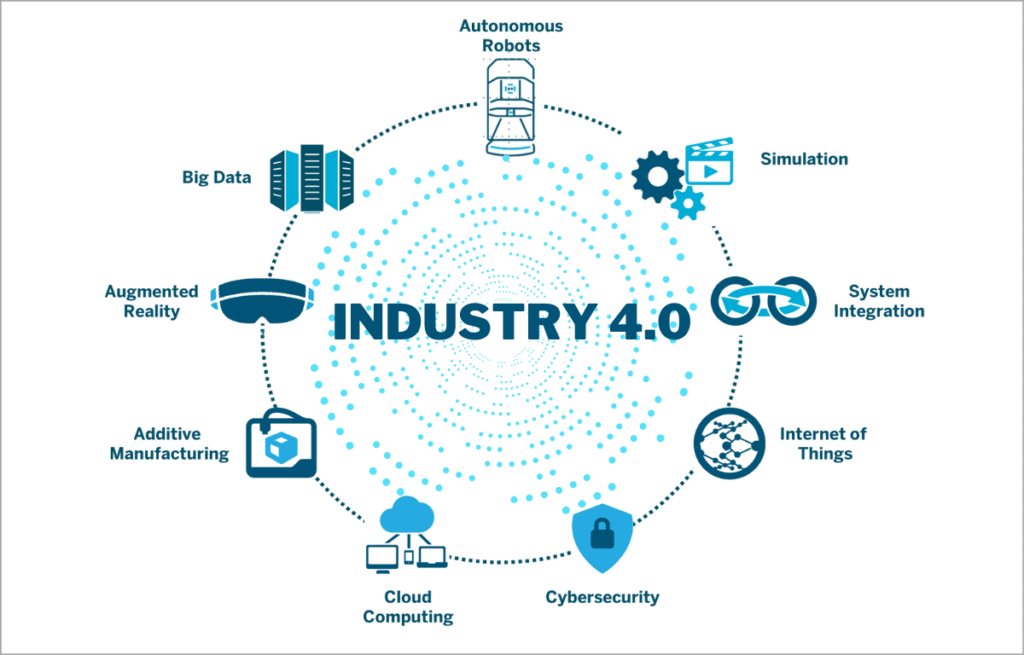
1. Healthcare
Agents help with:
- Medical transcription
- Diagnostics assistance
- Appointment management
- Patient record updates
- Insurance claim processing
2. Banking & Finance
- Automated compliance checks
- Fraud detection
- Portfolio balancing
- Transaction monitoring
3. Education & eLearning
- Personalized tutoring
- Automatic grading
- Course content generation
- LMS automation
Great fit for your own Innoflare.tech setups and Canvas labs.
4. Cybersecurity
- AI threat hunters
- Automated incident response
- Log correlation
- Vulnerability scanning
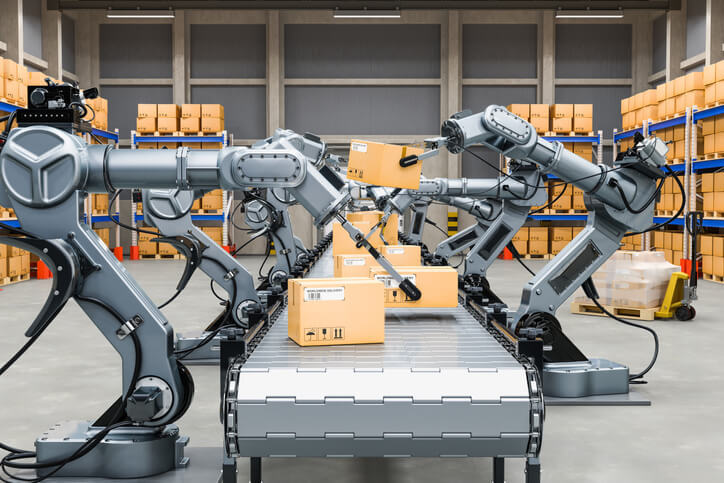
5. Logistics
- Route optimization
- Inventory audits
- Warehouse coordination
6. Software Engineering
- Autonomous debugging
- Continuous integration
- Full-stack development assistance
Benefits of AI Autonomous Agents
1. Major Cost Savings
Companies can save millions by eliminating repetitive digital labor.
2. Faster Decision-Making
AI can evaluate conditions thousands of times faster than humans.
3. Higher Accuracy
Agents follow exact instructions — minimizing human error.
4. Scalability
Agents can be duplicated or expanded at virtually no cost.
5. Improved Customer Experience
Agents provide quick, consistent support every time.
Challenges and Limitations of AI Autonomous Agents

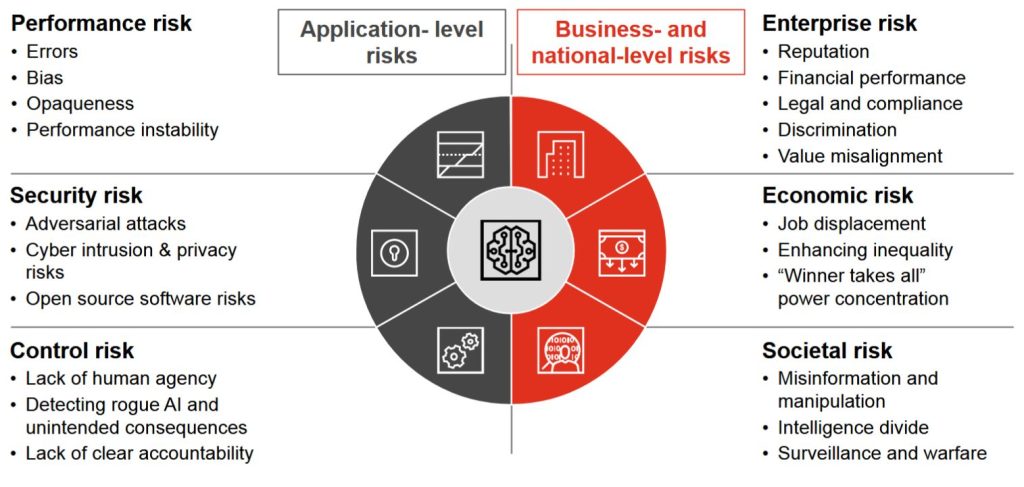

Despite their potential, autonomous agents face real challenges.
1. Hallucinations and Incorrect Decisions
LLMs sometimes generate incorrect responses. An agent acting on those errors can cause problems.
2. Over-Autonomy
An agent acting too independently may:
- Delete files
- Modify systems
- Make unintended purchases
- Send incorrect communication
This is why autonomy boundaries are essential.
3. Ethical Concerns
Key issues include:
- Data privacy
- AI replacing jobs
- Decision transparency
- Bias in automated actions
4. System Integration Complexity
Agents require:
- Strong APIs
- Secure system permissions
- Well-defined workflows
5. Lack of Industry Regulations
Laws are trying to catch up with the rapid rise of autonomous AI.
Future of AI Autonomous Agents (2025–2030)

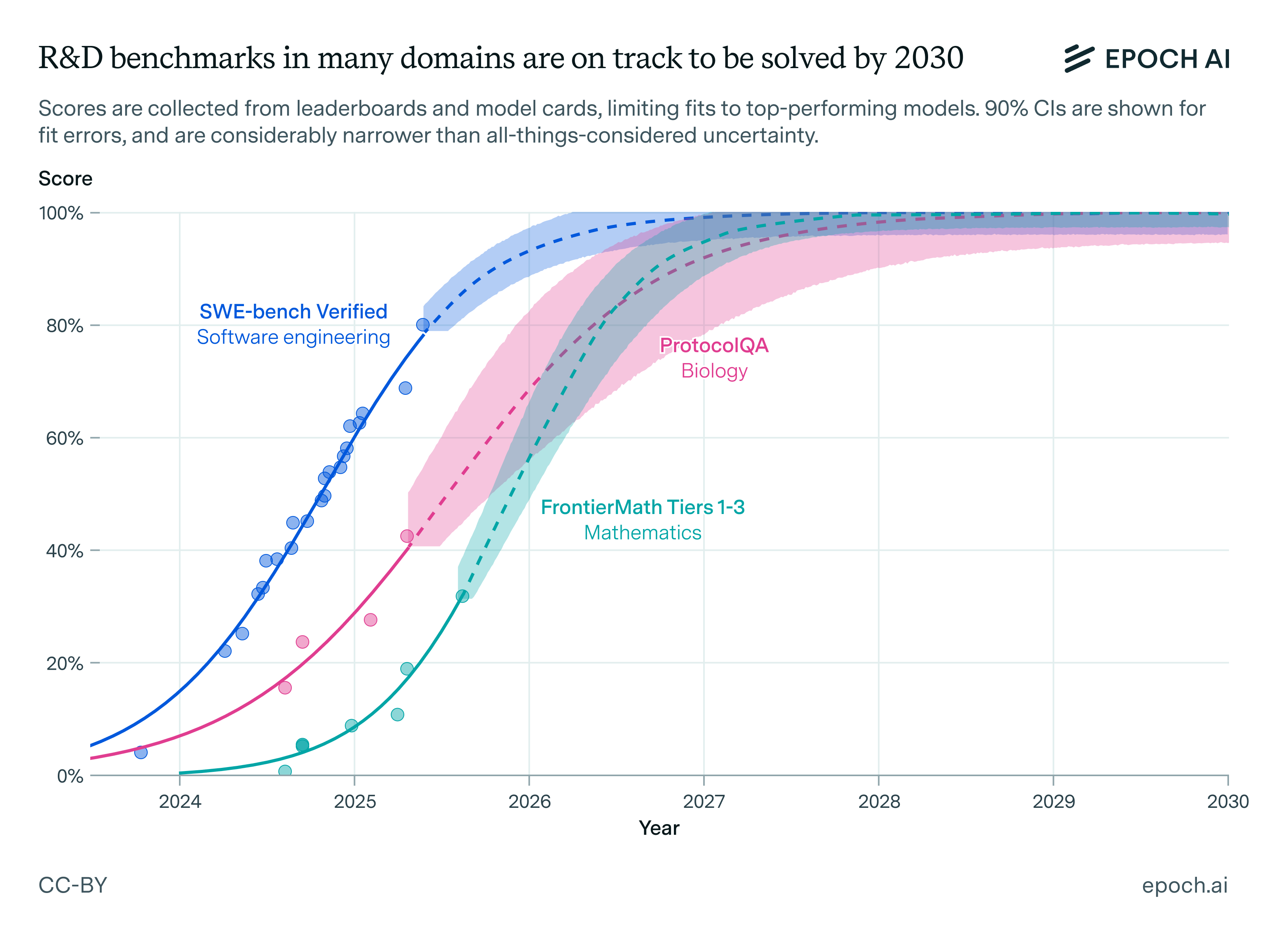

Experts predict several major developments.
1. Multi-Agent Systems
Multiple agents will work together like digital teams:
- Research agents
- Planning agents
- Coding agents
- Testing agents
- Approval agents
These systems can build complex products automatically.
2. AI Agents Connected to Physical Robots
Humanoid robots + AI agents = full automation of household and workplace tasks.
3. Embedded AI Agents in Operating Systems
Agents will become native parts of:
- Windows
- macOS
- Linux
- Mobile devices
Soon, you may not open an app — you simply assign a task.
4. Agents Acting as Digital Personas
Imagine:
- A digital assistant managing your schedule
- A digital manager leading your business
- A digital tutor teaching students
- A digital analyst handling your finances
5. Blockchains and Agents
Decentralized agents may operate autonomously without a central owner — a controversial but emerging idea.
How Businesses Can Prepare for AI Autonomous Agents
1. Map out your workflows
Identify tasks that consume the most hours.
2. Adopt AI-friendly tools
Choose platforms with strong APIs (e.g., Notion, ClickUp, HubSpot).
3. Train staff for AI collaboration
Employees should know how to:
- Supervise agents
- Audit outputs
- Correct mistakes
4. Build clear automation policies
Define:
- Permissions
- Data rules
- Ethical guidelines
5. Start small, scale fast
Begin with one agent. Expand once it proves its value.
Conclusion: AI Autonomous Agents Are Only the Beginning
AI autonomous agents represent one of the most important technological leaps of our time. They are redefining how individuals and companies work, creating a world where digital intelligence complements human creativity and decision-making.
Instead of simply answering questions, AI is now capable of planning, executing, analyzing, and improving — all without human intervention.
The rise of autonomous agents is more than just an innovation; it is a paradigm shift signaling the beginning of a new era in digital transformation.
And this is only the first chapter.