Brain–Computer Interfaces (BCIs): The Revolutionary Technology Merging the Human Mind with Machines (2025 Edition)

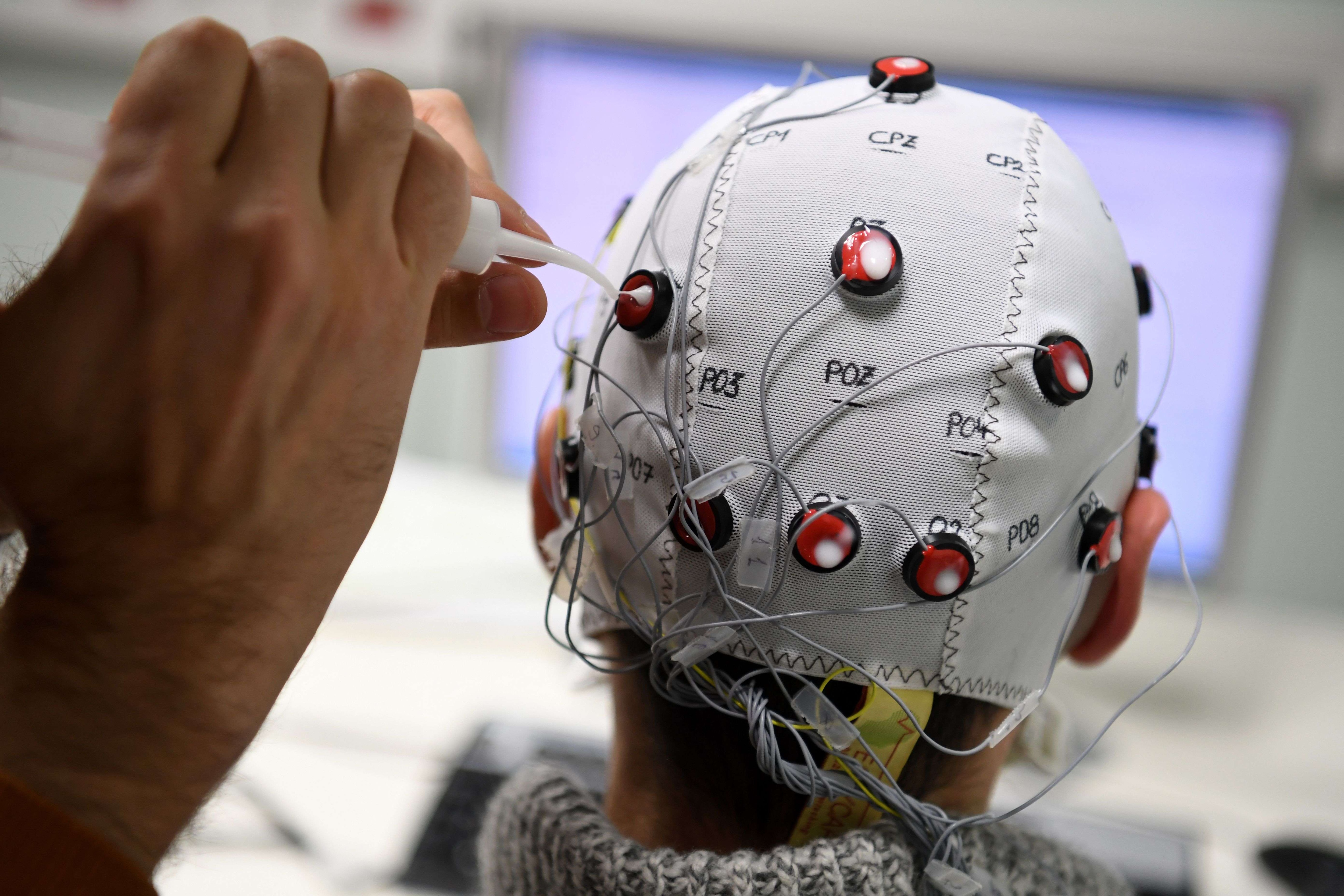

The idea of controlling technology with our thoughts has long existed in science fiction. But in 2025, Brain–Computer Interfaces (BCIs) are becoming a very real part of modern science, redefining what it means to interact with machines. These devices form a direct communication pathway between the human brain and external systems—computers, robots, prosthetics, and even other humans.
While earlier BCIs were slow, basic, and limited to experimental research, today’s systems are powered by artificial intelligence, neural decoding algorithms, nanotechnology, and wireless implants. This new wave of innovation is enabling people with disabilities to walk, giving a voice to those who cannot speak, helping treat mental health conditions, and laying the foundation for future augmented human capabilities.
This article dives deep into the world of BCIs, exploring how they work, the latest breakthroughs, real-world applications, benefits, challenges, and the future of this groundbreaking technology.
What Are Brain–Computer Interfaces?
A Brain–Computer Interface (BCI) is a system that creates a direct link between the brain and an external device. BCIs can be:
- Invasive (implanted in the brain)
- Non-invasive (external sensors on the scalp)
- Semi-invasive (placed on the surface of the brain but not deeply inserted)
Regardless of form, the purpose remains the same:
to interpret neural activity and translate it into commands that machines can understand.
BCIs bypass traditional physical pathways such as muscles, nerves, and limbs. Instead, they read brain activity and convert electrical or chemical signals into usable outputs.
How BCIs Work: A Beginner-Friendly Breakdown
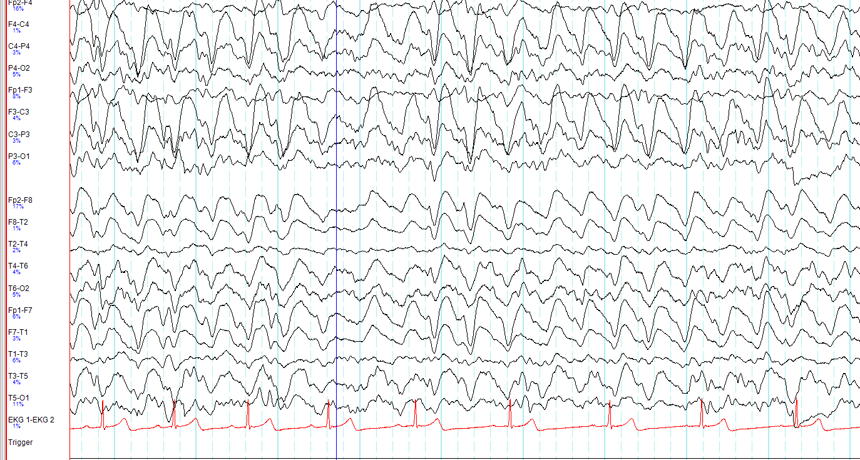


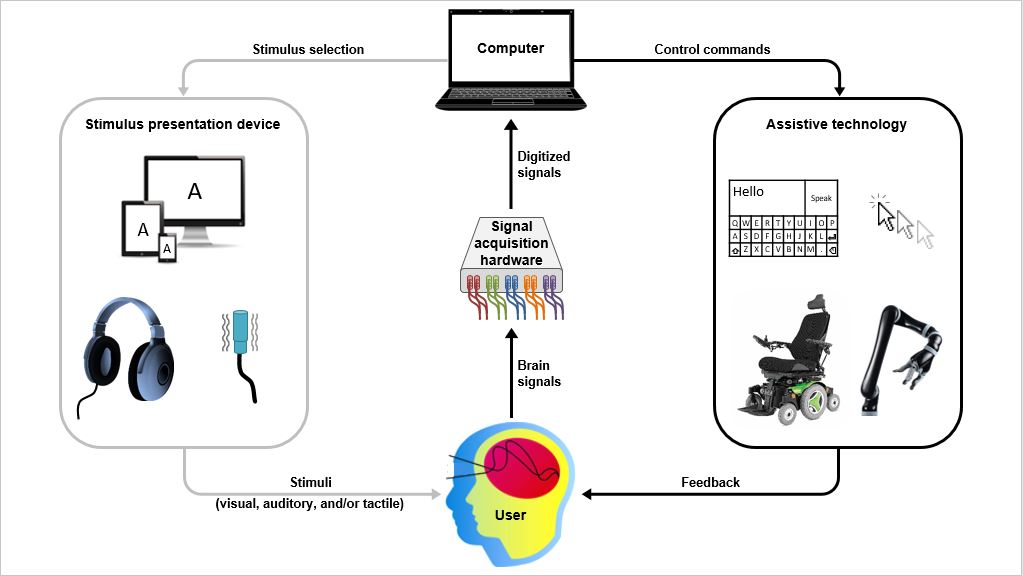
Though the science behind BCIs can be complex, the core process includes four major steps:
1. Signal Acquisition
The first step is to capture brain signals using:
- Neural implants (most accurate)
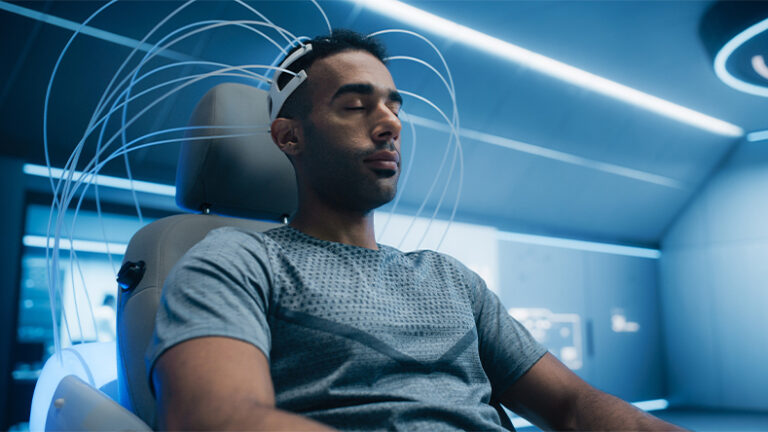
- Electroencephalography (EEG) caps
- Electrocorticography (ECoG) grids
- Functional near-infrared spectroscopy (fNIRS)
- Magnetoencephalography (MEG)
These sensors record electrical impulses generated by neurons.
2. Signal Processing & Noise Reduction
Raw neural data is extremely noisy and unstable.
BCIs use:
- AI-powered filtering
- Machine learning
- Deep neural networks
to clean and interpret this data.
3. Neural Decoding
AI algorithms translate brain patterns into:
- Movements
- Words
- Commands
- Emotions
- Behaviors
This decoding process is where most of the intelligence happens.
4. Device Control
Once translated, neural signals can:
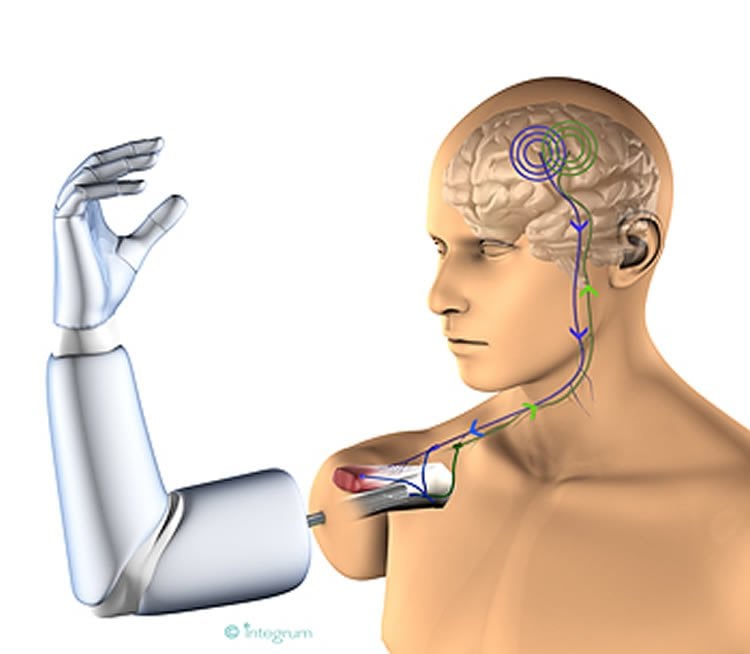
- Move a robotic arm
- Control a cursor
- Type text
- Drive a wheelchair
- Adjust a prosthetic limb
This creates a feedback loop where the user’s thoughts directly control external systems.
Types of Brain–Computer Interfaces
BCIs come in several forms, each with its own technology and use cases.
1. Invasive BCIs (Implanted in the Brain)

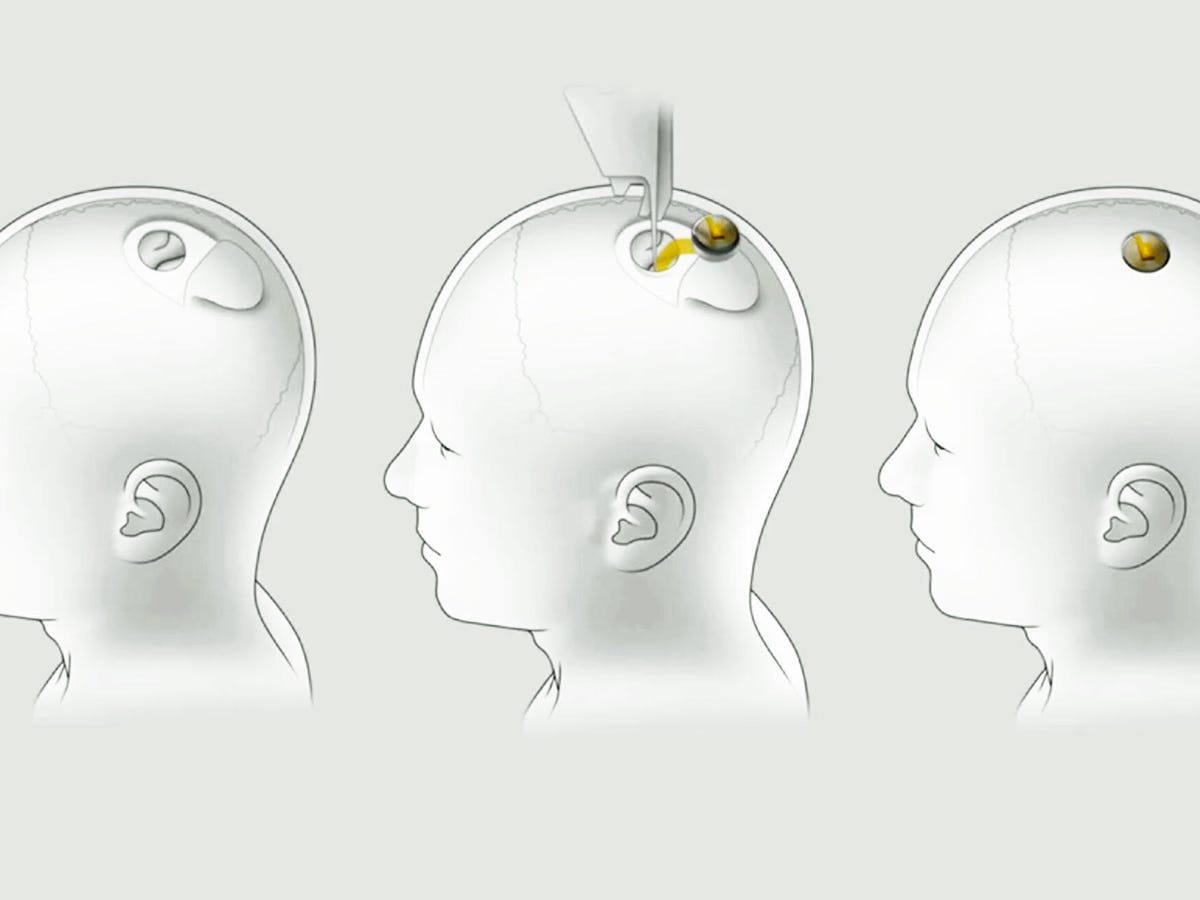

These interfaces require surgical implantation of electrodes.
Pros:
- Highly accurate
- Direct access to neurons
- Suitable for paralysis and motor disabilities
Cons:
- Requires surgery
- Risk of infection
- High cost
Examples include:
- Neuralink
- Blackrock Microsystems arrays
- Synchron Stentrode
2. Non-Invasive BCIs (External Devices)
These use EEG caps or headbands.
Pros:
- No surgery
- Safer and cheaper
- User-friendly
Cons:
- Less accuracy
- Limited bandwidth
- Slower signal reading
Examples:
- Muse brain-sensing headband
- Emotiv EEG devices
- Kernel Flow
3. Semi-Invasive BCIs
Placed under the skull but not into brain tissue.
They balance:
- High accuracy
- Lower surgical risk
A promising middle-ground approach.
Breakthrough Innovations in BCI Technology (2023–2025)
The last three years brought unprecedented advancements in neural technology. Here are the most important developments shaping 2025:
1. Wireless Brain Implants
Neuralink and other companies now offer fully wireless systems that:
- Transmit neural data remotely
- Require no external wires
- Reduce infection risk
2. High-Bandwidth Neural Decoding
Advances in AI make it possible to decode:
- Speech
- Movement
- Emotions
- Visual images
from brain signals with increasing accuracy.
3. Thought-to-Text Technologies
Researchers have converted neural signals into text at speeds up to 90 words per minute, granting communication ability to paralyzed individuals.
4. Brain-Controlled Prosthetics
Robotic limbs now move with natural precision through direct neural control from implants.
5. Memory and Cognitive Enhancement Research
Early experiments show that BCIs may one day:
- Improve memory
- Treat cognitive decline
- Boost learning speed
6. Neurotherapy for Mental Health
BCIs combined with AI therapy models are treating:
- Depression
- PTSD
- Anxiety
- OCD
by retraining neural circuits.
Applications of BCIs: The Real-World Impact

4
BCI technology is revolutionizing many fields:
1. Medical Rehabilitation & Assistive Technology
This is the largest and most impactful area.
BCIs help individuals with:
- Spinal cord injury
- ALS
- Stroke
- Cerebral palsy
- Amputations
What BCIs enable:
- Controlling robotic arms
- Speaking through thought-to-speech systems
- Operating wheelchairs
- Moving prosthetic limbs
- Communicating without typing or talking
For many, BCIs restore independence and dignity.
2. Communication for Locked-In Patients
Patients with ALS or severe paralysis can use BCIs to:
- Type text
- Express needs
- Communicate emotions
- Write emails
This category alone is life-changing.
3. Military and Defense Technology
Defense agencies are developing BCIs for:
- Enhanced situational awareness
- Hands-free drone control
- Remote robotic operation
- Stress reduction
- Training simulations
While controversial, military BCI development continues rapidly.
4. Gaming & Virtual Reality
Thought-controlled gaming is becoming reality.
BCIs will enable:
- Immersive VR
- Thought-based character movement
- Emotional input responses
This will transform how games are played.
5. Education & Cognitive Performance
Future BCIs may:
- Measure student attention
- Improve focus
- Enhance memory
- Personalize learning
Neuroeducation is a rapidly growing interest area.
6. Mental Health Treatment
BCIs paired with neurofeedback are being used to treat:
- Depression
- Anxiety
- PTSD
- ADHD
- Substance addiction
AI analyzes brain activity patterns and helps retrain neural circuits.
7. Industrial and Workplace Uses
Future workplaces may use BCIs to:
- Reduce fatigue
- Enhance training
- Allow control of machinery through thought
- Increase productivity
This represents a new frontier in human–machine interaction.
BCIs and Ethical Concerns


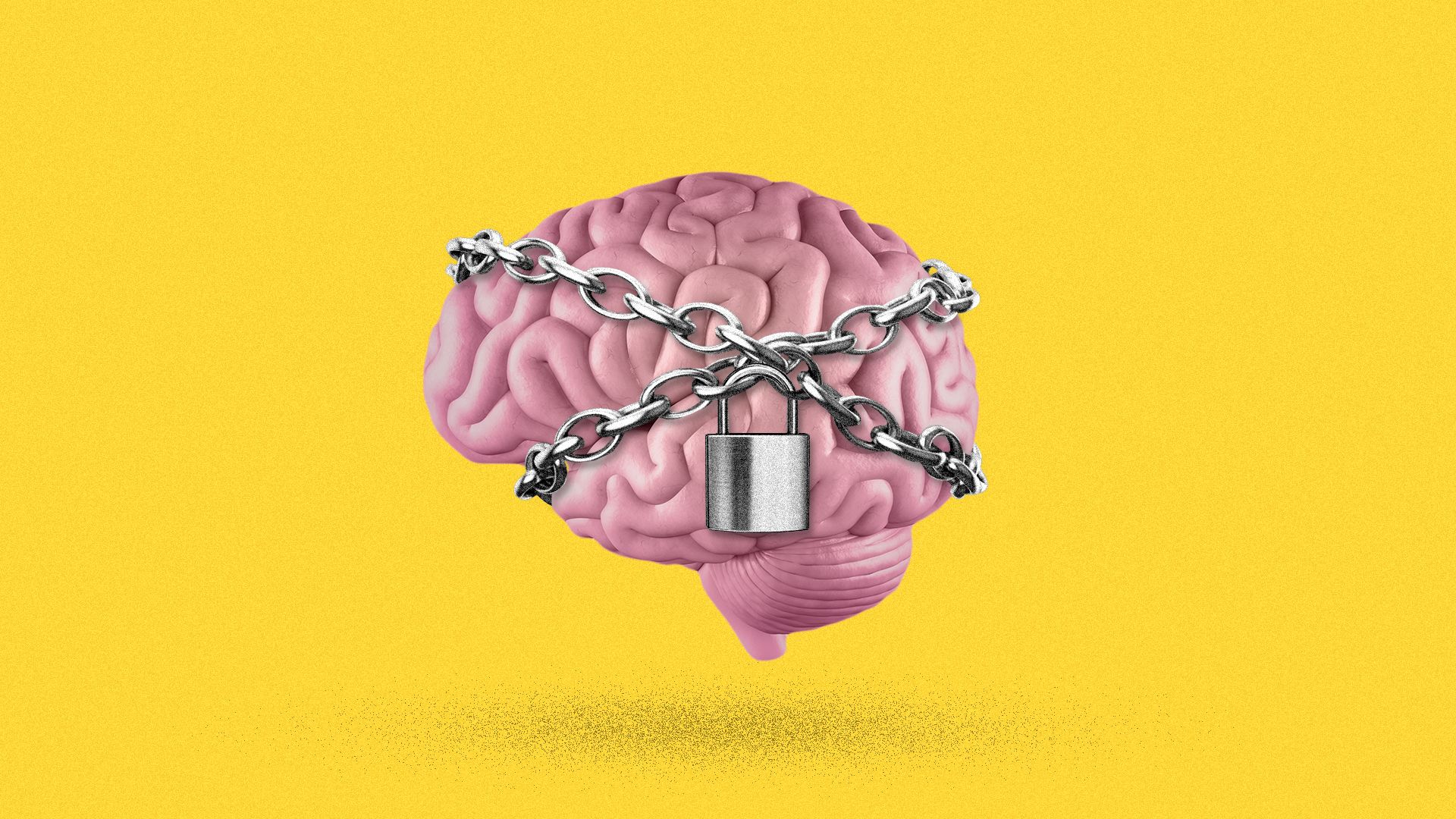
Although exciting, BCIs come with significant ethical challenges.
1. Brain Data Privacy
Brain signals reveal:
- Emotions
- Intentions
- Personality traits
Protecting this data is critical.
2. Consent and Autonomy
People must fully understand:
- The risks
- The implications
- The permanence of implants
3. Psychological Impacts
Some users may feel:
- Identity changes
- Loss of control
- Mental fatigue
4. Inequality and Access
Advanced BCIs will be extremely expensive at first, potentially widening social gaps.
5. Military Misuse
BCIs could be weaponized if used irresponsibly.
6. Over-Reliance on Technology
Humans may become dependent on neural interfaces for daily functioning.
Challenges BCI Developers Must Overcome
Despite breakthroughs, BCIs still face scientific and technical obstacles.
1. Surgical Risks
Implantation can cause:
- Infection
- Bleeding
- Brain inflammation
Non-invasive alternatives are being explored.
2. Signal Instability
Neurons shift over time, causing implants to degrade.
3. Limited Bandwidth
Current systems interpret only a small portion of the brain’s complexity.
4. Hardware Longevity
Implants must withstand years of environmental stress inside the brain.
5. Ethical Regulation
Clear laws are needed to protect users.
The Future of Brain–Computer Interfaces (2025–2040)
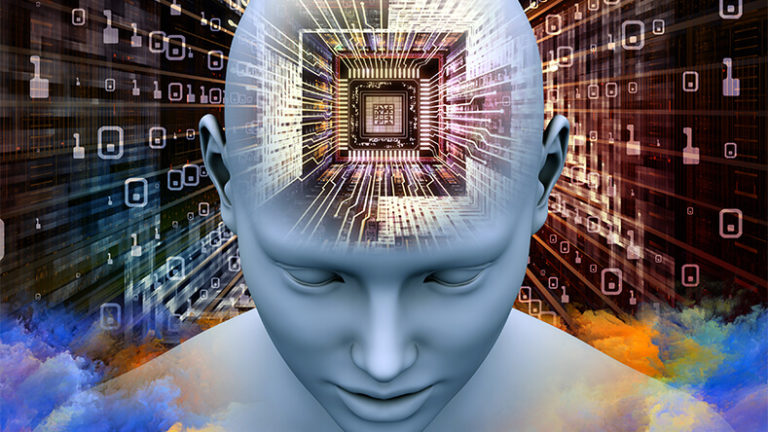

Experts predict massive innovation in the next two decades.
1. Neural Implants Becoming Mainstream
Wireless brain chips may be used to:
- Improve memory
- Enhance intelligence
- Control smart home devices
- Boost creativity
2. Fully Thought-Controlled Computing
No keyboards.
No mice.
Just thought-driven user interfaces.
3. Brain-to-Brain Communication
Researchers have successfully transmitted signals between humans in basic experiments.
Future applications may include:
- Telepathic communication
- Shared VR experiences
- Multi-mind problem-solving
4. Brain-Controlled Robotic Assistants
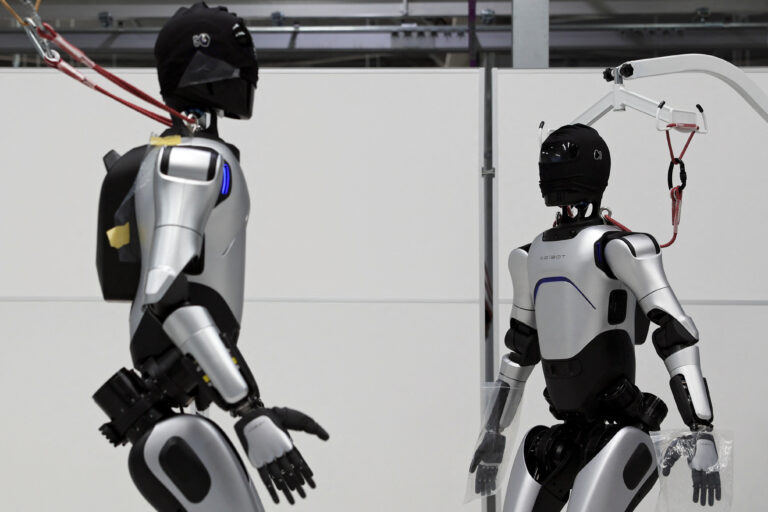
Humanoid robots may be mentally controlled for:
- Household tasks
- Elder care
- Medical assistance
- Industrial labor
5. Medical BCIs That Heal the Brain
Neural devices may treat:
- Dementia
- Parkinson’s
- Trauma
- Stroke
by stimulating and repairing neural pathways.
6. Integration with Artificial Intelligence
AI will become the brain’s cognitive companion—augmenting memory, awareness, and learning.
Should Society Prepare for BCIs?
Absolutely. The technology is advancing faster than most people expect.
Here’s what individuals and institutions should do:
✔️ Learn how neurotechnology works
✔️ Advocate for strong privacy laws
✔️ Support ethical innovation
✔️ Prepare for new careers in neurotech
✔️ Embrace assistive and medical benefits
✔️ Understand both risks and possibilities
BCIs will not replace human intelligence—they will amplify it.
Conclusion: BCIs Are the Beginning of the Next Human Evolution
Brain–Computer Interfaces represent one of the most profound technological advancements of our time. They merge biology with technology, open pathways for curing paralysis and neurological disease, and hold the potential to elevate the way humans learn, work, communicate, and experience the world.
BCIs are not just the future of computing—they are the future of humanity.
We stand at the beginning of a new era where the line between mind and machine becomes increasingly blurred. Used responsibly, this technology can heal, empower, and augment human life in ways once unimaginable.