Hyperloop Technology: The Future of Ultra-Fast Transportation and the Race to Redefine Global Mobility (2025 Edition)

Hyperloop technology represents one of the most radical innovations in modern transportation. Designed to move passengers and cargo at airline speeds but with the convenience of on-ground travel, the Hyperloop concept has captured the world’s imagination since it was popularized in 2013. In 2025, the Hyperloop has evolved from an ambitious idea to a real engineering race involving governments, startups, and global research institutions.
Hyperloop systems promise travel speeds upwards of 600–760 mph (966–1,220 km/h), dramatically reducing travel time between major cities. More importantly, they are being designed to be energy-efficient, low-noise, sustainable, and capable of forming new transportation networks across continents.
This long-form article explores what the Hyperloop is, how it works, the latest technological breakthroughs, global projects, challenges, safety concerns, cost predictions, and how this futuristic transportation system could reshape the way people and goods move across the world.
What Is the Hyperloop?
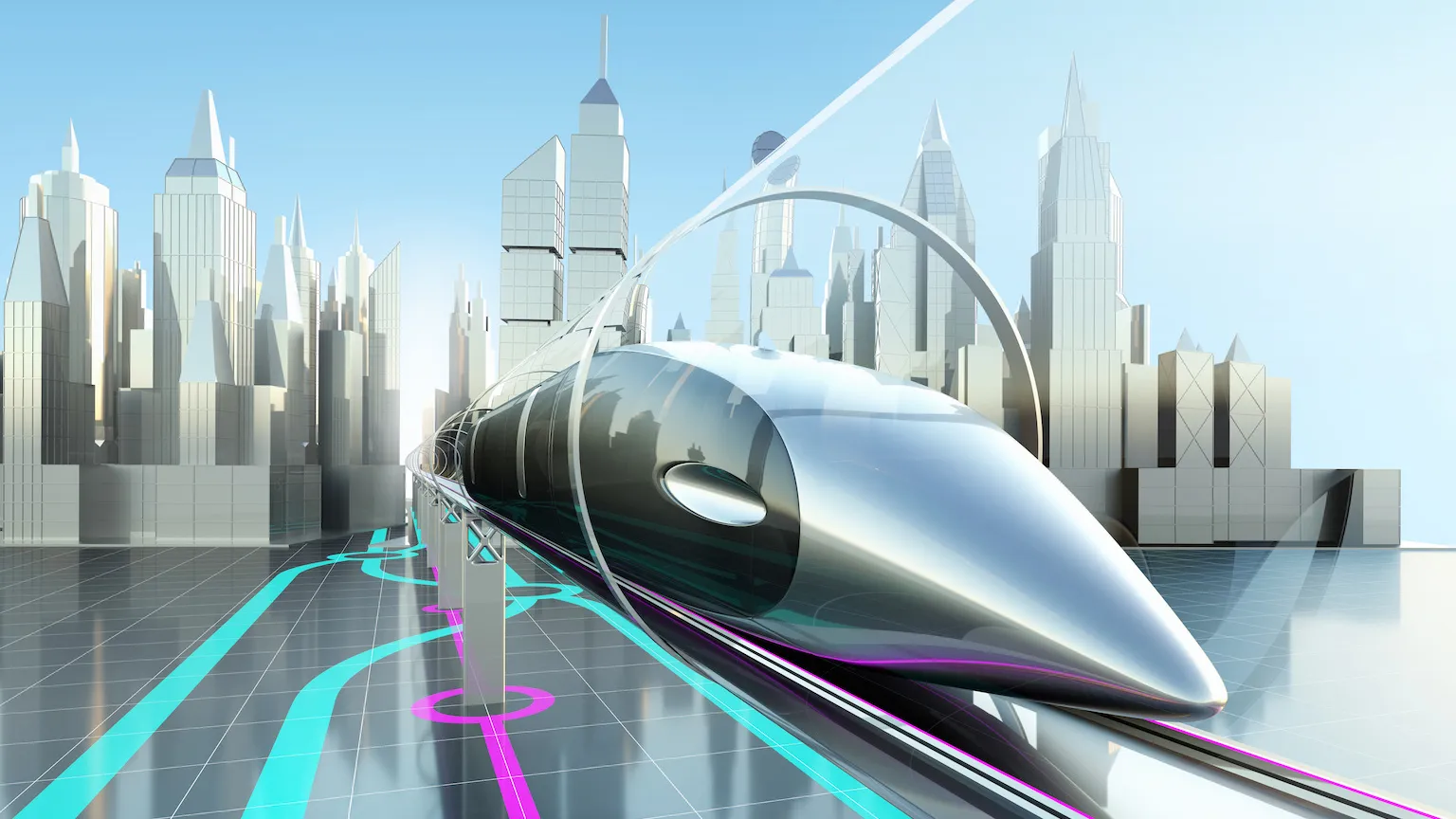
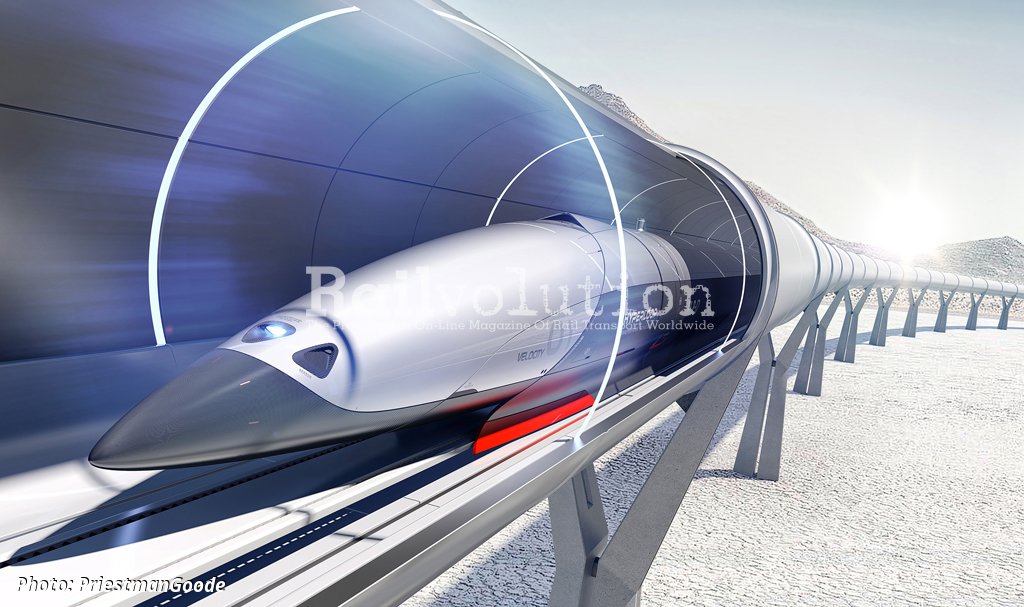
A Hyperloop is a high-speed transportation system where pods or capsules travel inside near-vacuum tubes, levitating above the track using magnetic or air-based technologies. Because there is almost no air resistance or friction, pods can travel at extremely high speeds.
The core concept relies on three pillars:
Low-Pressure (Near-Vacuum) Tubes
These reduce air resistance, allowing speeds close to the speed of sound.
Magnetic Levitation (Maglev) or Air Bearings
These lift the pod off the track to eliminate friction.
Linear Electric Motors
These propel the pod forward with precision, acceleration, and efficiency.
Unlike trains, cars, or airplanes:
- There is no engine or combustion inside the pod
- There is minimal aerodynamic drag
- There is no physical contact with rails
This makes the Hyperloop incredibly efficient and potentially faster than airplanes on mid-range routes.
How the Hyperloop Works


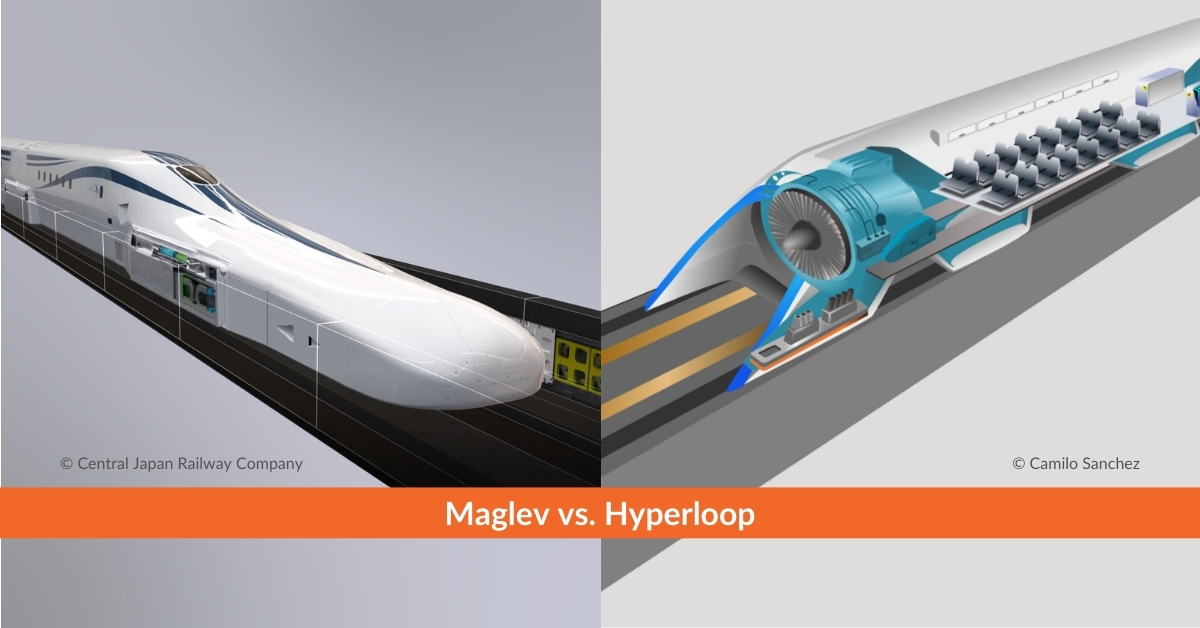
Hyperloop technology is based on several advanced engineering systems working together:
Vacuum Environment
By removing most of the air from the tube, drag is nearly eliminated. Pods glide effortlessly with minimal energy use.
Magnetic Levitation
Two types of maglev systems are commonly explored:
- Electromagnetic suspension (EMS)
- Electrodynamic suspension (EDS)
Both lift the pod above the track, reducing mechanical friction.
Linear Induction Motors
These motors accelerate and decelerate the pods smoothly using electromagnetic forces.
Autonomous Control Systems
Hyperloop pods operate fully autonomously, coordinating with network systems to maintain safe spacing.
Airlocks
Stations use airlocks to gradually move pods from atmospheric pressure to low-pressure tube environments.
Emergency Safety Infrastructure
Includes evacuation areas, bypass segments, pressure stabilization zones, and fail-safe systems.
Speed and Performance Expectations
Because friction and drag are minimized, Hyperloop pods can reach extremely high speeds.
Projected Top Speeds
- 760 mph (1,220 km/h) theoretical max
- 600+ mph practical travel speeds
Example Travel Times
- Los Angeles to San Francisco: ~45 minutes
- New York to Washington, D.C.: ~30 minutes
- Dubai to Abu Dhabi: ~12 minutes
- London to Edinburgh: ~35 minutes
These travel times outperform:
- Bullet trains
- Commercial jets
- High-speed rail systems
Breakthroughs in Hyperloop Technology (2023–2025)
Significant progress has been made in the past few years.
Advanced Carbon Fiber Tubes
Modern tubes are stronger, lighter, and cheaper to manufacture using automated robotic production.
Improved Vacuum Pumps
New vacuum systems maintain stable low-pressure environments with far lower energy consumption.
Energy-Efficient Magnetic Levitation
Next-generation maglev reduces heat loss and increases levitation stability.
Safety Testing
Several organizations completed full-scale crash simulations, evacuation studies, and pressure-change endurance tests.
Autonomous Pod Control
AI systems coordinate:
- Speed
- Routing
- Emergency response
- Traffic management
Solar and Renewable Integration
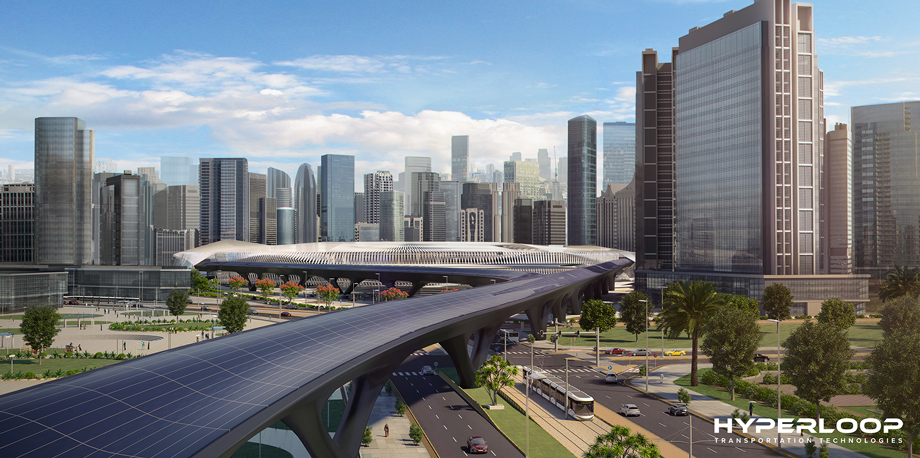
Some Hyperloop designs mount solar panels along the tube surface, potentially producing more energy than the system consumes.
Key Components of a Hyperloop System



Hyperloop systems are made of several major components:
Hyperloop Tubes
Constructed above ground, underground, or underwater. Materials include:
- Carbon fiber
- Steel
- Composite alloys
Hyperloop Pods
Lightweight pods with:
- Seats for passengers
- Cargo storage
- Emergency oxygen
- Levitation modules
- Communication systems
Maglev Tracks
Embedded in the tube bed to create lift and forward motion.
Stations
Designed to operate like modern airports or train stations but with faster boarding cycles.
Route Infrastructure
Includes pylons, bridges, tunnels, and emergency maintenance zones.
Hyperloop Benefits Compared to Traditional Transportation
Extremely Fast
Outperforms bullet trains and commercial jets on many routes.
Highly Energy-Efficient
Low drag means minimal energy consumption during cruising.
Sustainable
Can be powered by solar, wind, or fusion energy in the future.
Quiet
Sound is contained within the tube.
Safe
No crossings, weather exposure, or human error.
Fully autonomous.
Scalable
Hyperloop systems can be built above highways or existing corridors to reduce land use.
Global Hyperloop Projects in 2025

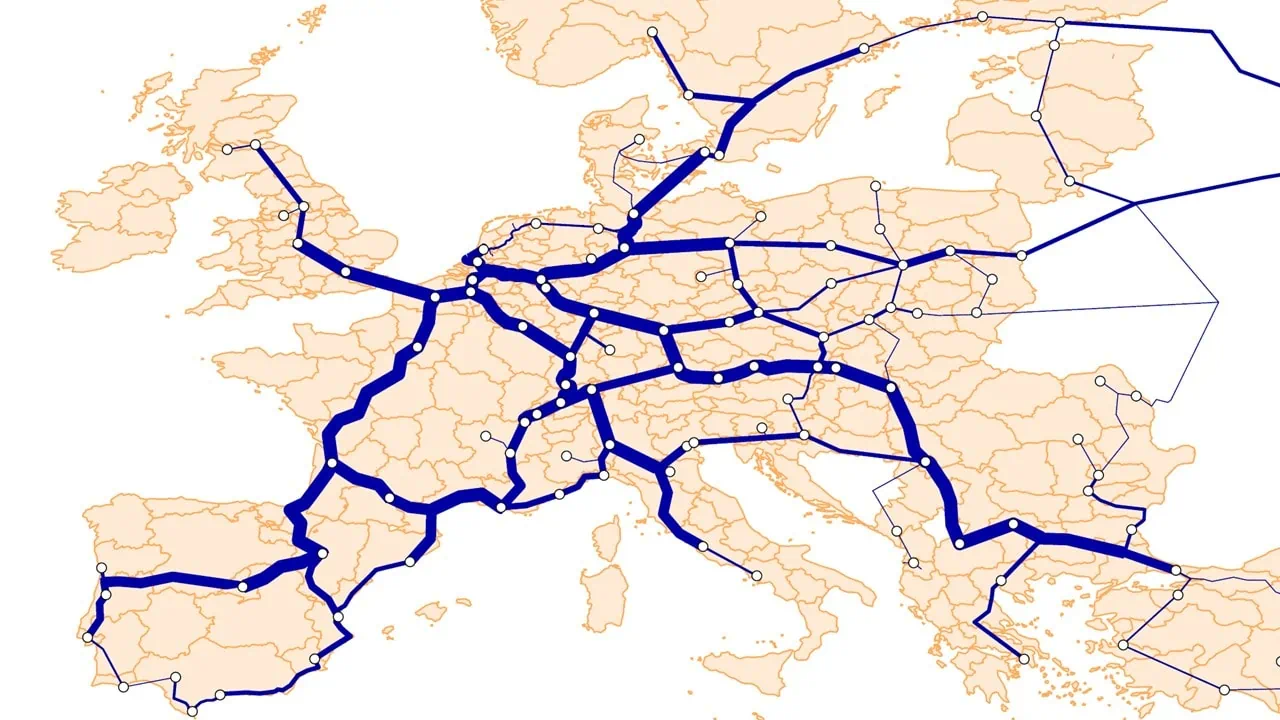
Several countries and organizations are racing to build functioning Hyperloop systems.
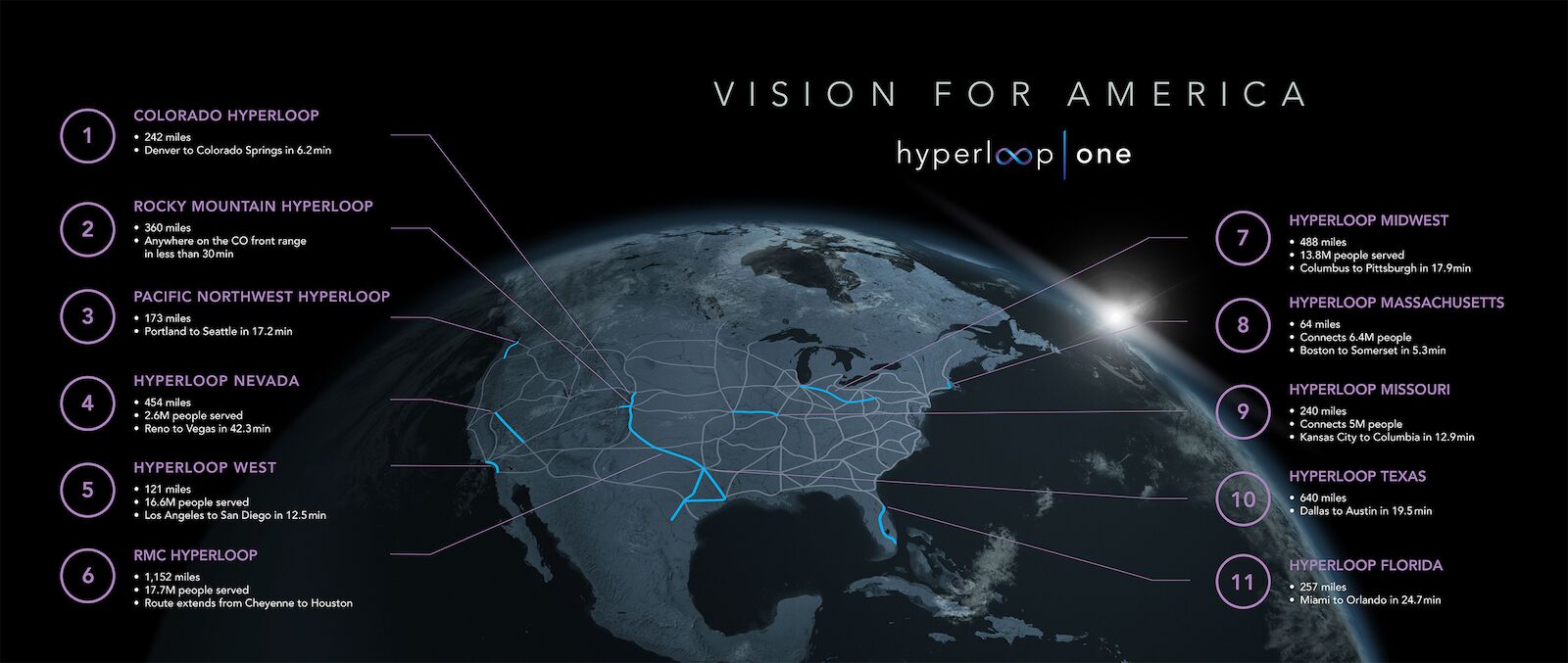
United States
Major players:
- Hyperloop Transportation Technologies (HTT)
- Hardt Hyperloop
- Virgin Hyperloop (paused passenger testing but continues cargo development)
Routes explored:
- Los Angeles ↔ San Francisco
- Chicago ↔ Pittsburgh
- Miami ↔ Orlando
Europe
The EU sees Hyperloop as a sustainable mobility future.
Projects include:
- The Netherlands’ full-scale test track
- Germany’s industrial partnership testing
- Spain’s rail-to-hyperloop transitions
Middle East
The UAE leads in commercial hyperloop adoption.
Routes include:
- Dubai ↔ Abu Dhabi (12 minutes)
- Saudi megacity NEOM integration
Asia
China is building its own high-speed vacuum tunnel experiments.
India is exploring Mumbai ↔ Pune as a flagship route.
Research Institutions
MIT, TU Delft, KAIST, and others are building experimental pods and test tracks.
Applications of Hyperloop Technology
Hyperloop isn’t just for passenger travel.
Passenger Transportation
Fast, frequent, reliable cross-city and cross-country travel.
Cargo and Freight
Pods carry:
- Consumer products
- Perishable goods
- High-priority shipments
Fast cargo transport reduces trucking emissions and supply chain delays.
Urban Mobility
Mini-hyperloop systems may connect:
- Airports
- Central business districts
- High-density areas
International Connectivity
Hyperloop corridors could link:
- European capitals
- Asian megacities
- Middle Eastern new smart cities
This creates regional economic integration.
Engineering and Technical Challenges
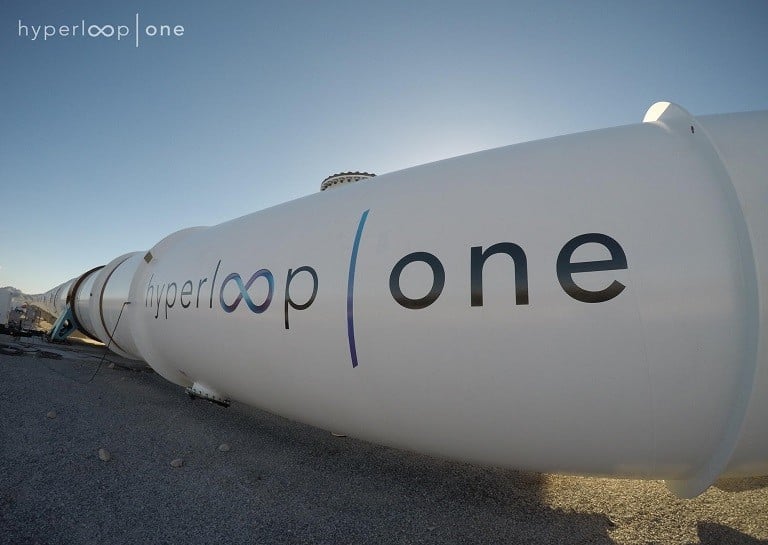


Although progress is strong, the Hyperloop faces major challenges before mass adoption.
Maintaining a Vacuum in Long Tubes
Keeping hundreds of kilometers at low pressure is difficult and expensive.
Safety During Emergencies
Evacuations in a sealed tube require:
- Rescue pods
- Emergency hatches
- Pressure normalization chambers
High Construction Costs
Building elevated or underground tubes costs billions.
Land Acquisition and Rights-of-Way
Securing long, straight corridors is legally and politically complex.
Thermal Expansion
Long tubes expand and contract with temperature changes.
Advanced engineering is needed to maintain structural integrity.
Maglev System Durability
Levitation systems must endure millions of cycles without failure.
Environmental and Social Impact
Reduced Emissions
Hyperloop systems produce no direct emissions.
Lower Fossil Fuel Dependence
Potential to replace short-haul flights and heavy trucking.
Urban Decentralization
Faster travel encourages people to live in low-cost areas while working in major cities.
Noise Reduction
Tubes block external noise, benefiting communities.
Economic Development
New routes promote tourism, trade, and business growth.
Cost Analysis and Feasibility
Estimated construction costs vary:
- $50 million to $100 million per mile above ground
- $100 million to $200 million per mile underground
Operating costs are relatively low due to:
- Autonomy
- Low energy use
- Minimal maintenance needs
Hyperloop becomes economically viable on:
- High-traffic routes
- Dense population regions
- High-value cargo corridors
When Will Hyperloop Become Reality? (2025–2040 Timeline)
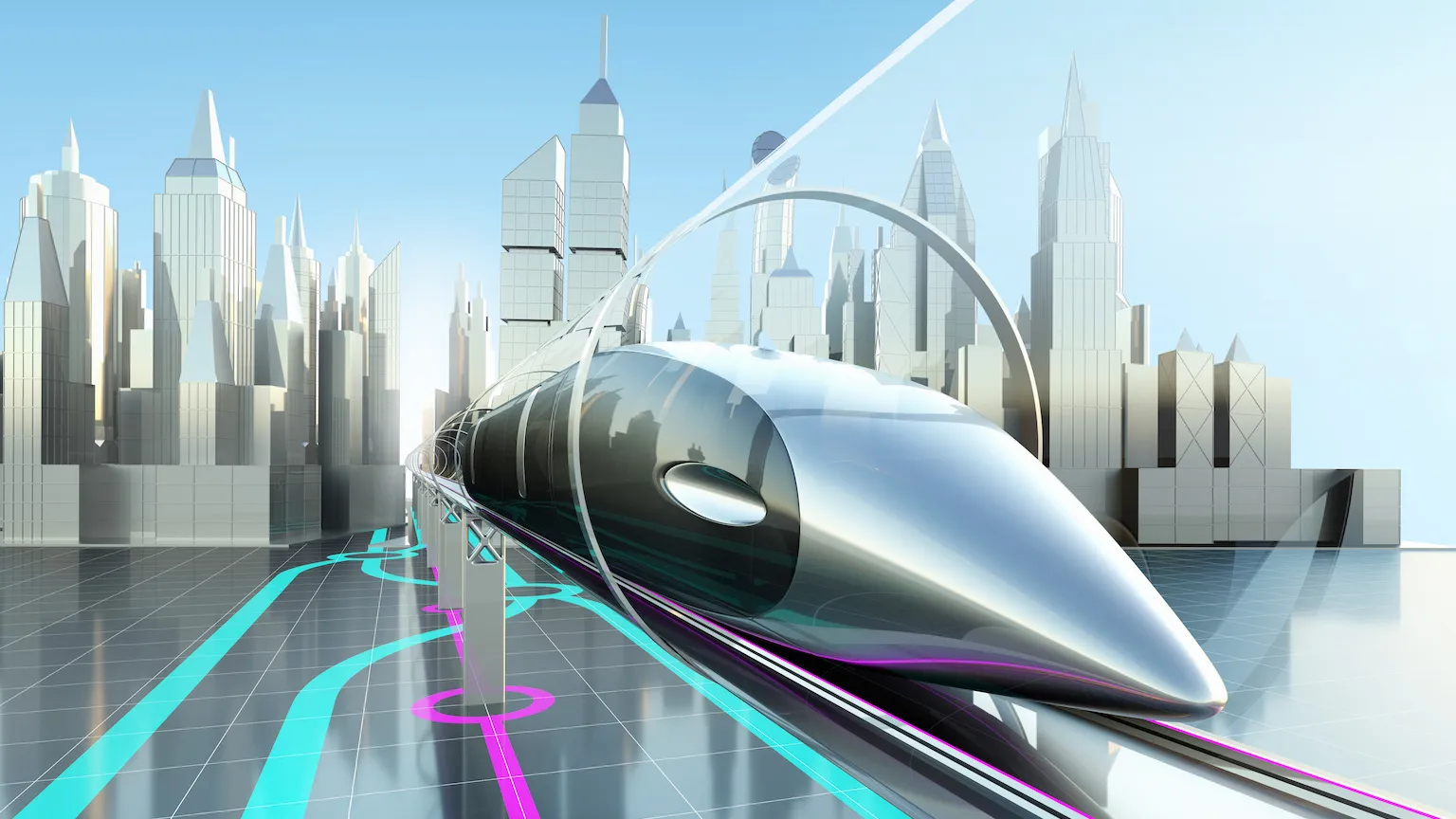
Here is the realistic timeline for adoption:
2025–2030
- Additional full-scale test tracks
- Commercial cargo hyperloop trials
- Government regulatory frameworks
2030–2035
- First commercial cargo Hyperloop deployment
- Limited passenger trial routes
2035–2040
- Passenger Hyperloop routes connecting major cities
- Expansion into global megaprojects
2040 and Beyond
- International Hyperloop corridors
- Undersea Hyperloop tunnels
- Fully integrated AI-managed transportation hubs
Will Hyperloop Replace Airplanes or Rail?
Not entirely—but it will disrupt short and mid-range travel.
Hyperloop is best for distances between 50 to 700 miles.
It will replace:
- Many short-haul flights
- Intercity rail
- High-speed buses
It will not replace:
- Long-haul international flights
- Cargo ships for bulk freight
- Local public transit
Hyperloop becomes a core part of multi-modal global transport systems.
Conclusion
Hyperloop technology is one of the most ambitious and potentially transformative innovations of the modern era. By combining magnetic levitation, vacuum engineering, autonomous control, and renewable energy, Hyperloop systems can deliver unprecedented travel speeds with minimal energy consumption.
Although the path to commercial deployment is challenging—with engineering, cost, regulatory, and safety hurdles—progress between 2023 and 2025 shows that the Hyperloop is no longer an abstract concept. Real prototypes exist, governments are supporting research, and large-scale test tracks are shaping the future of transportation.
Hyperloop may soon connect megacities, reduce emissions, accelerate trade, and fundamentally change how humans move across the world.
The future of ultra-fast travel is approaching—and it may arrive much sooner than expected.